digital card sets

Everyday Strengths digital toolbox

Product Code: D5020

$39.95 inc. GST

identify and celebrate the everyday strengths that connect us through kindness, gratitude, and hope

SKU: D5020 Category:
Product Overview

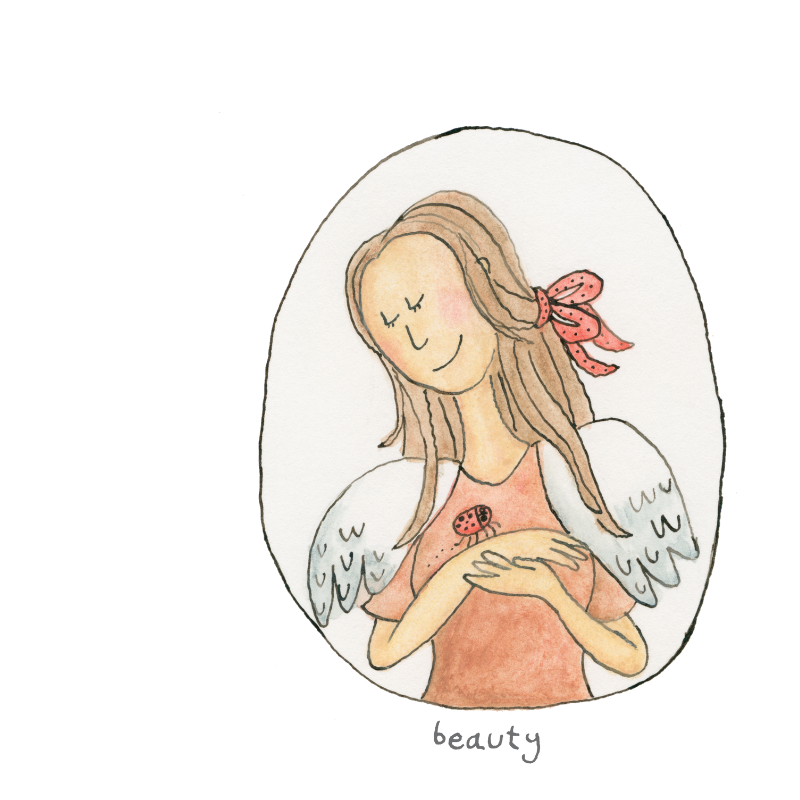
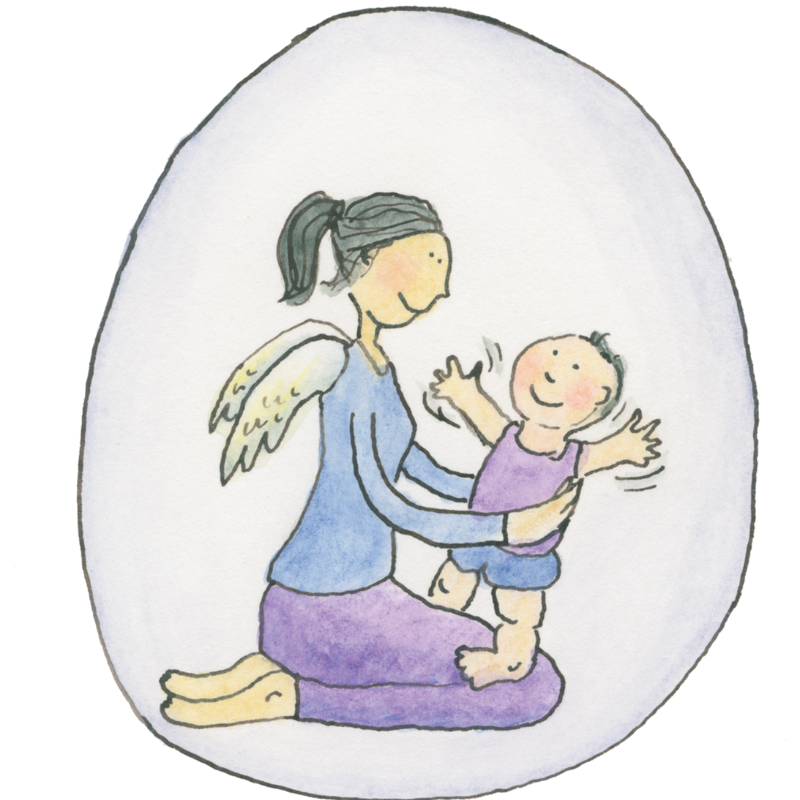
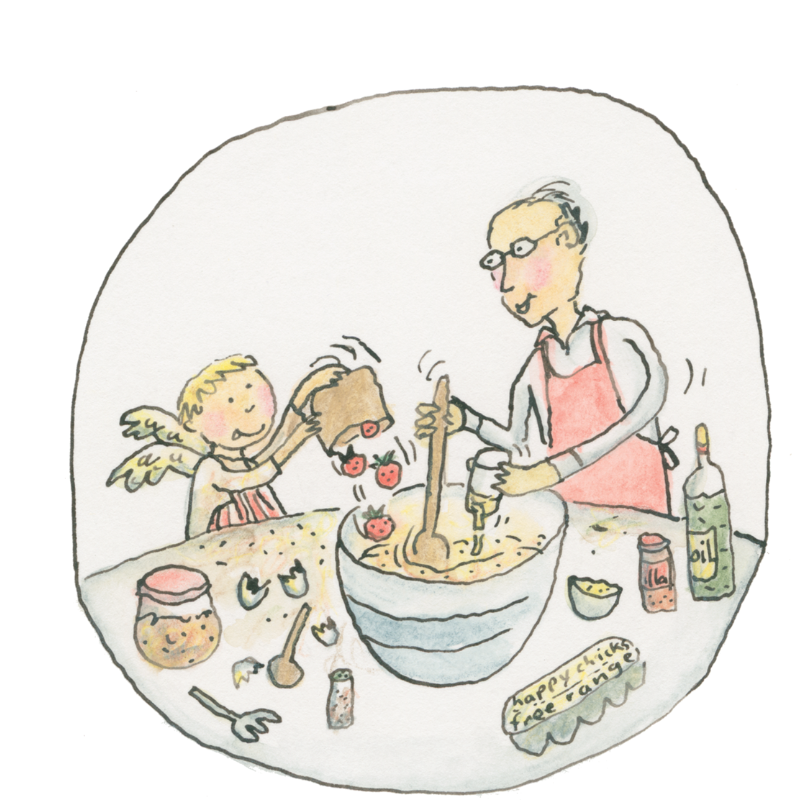
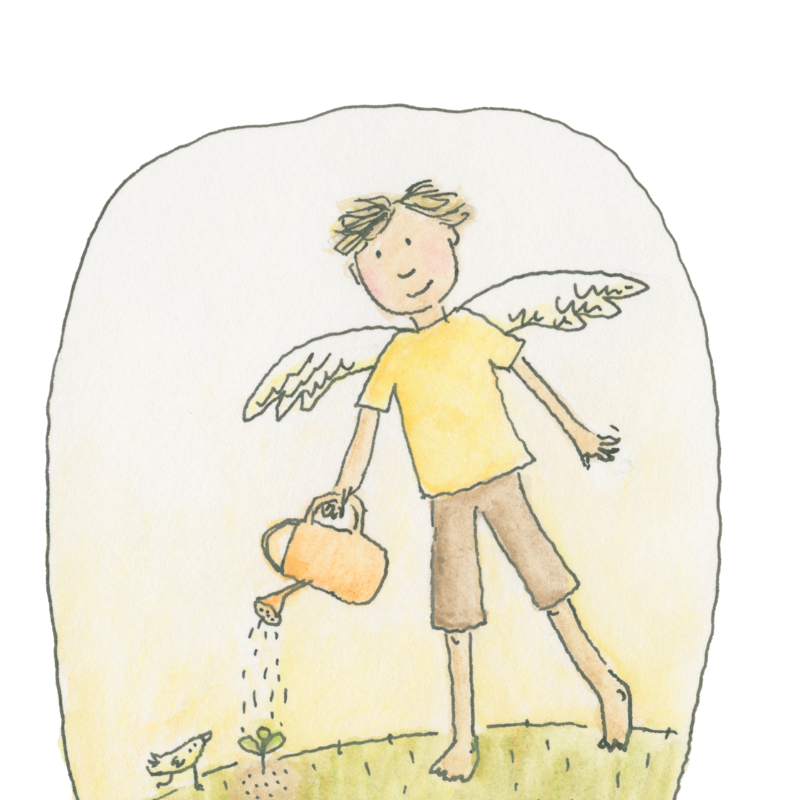
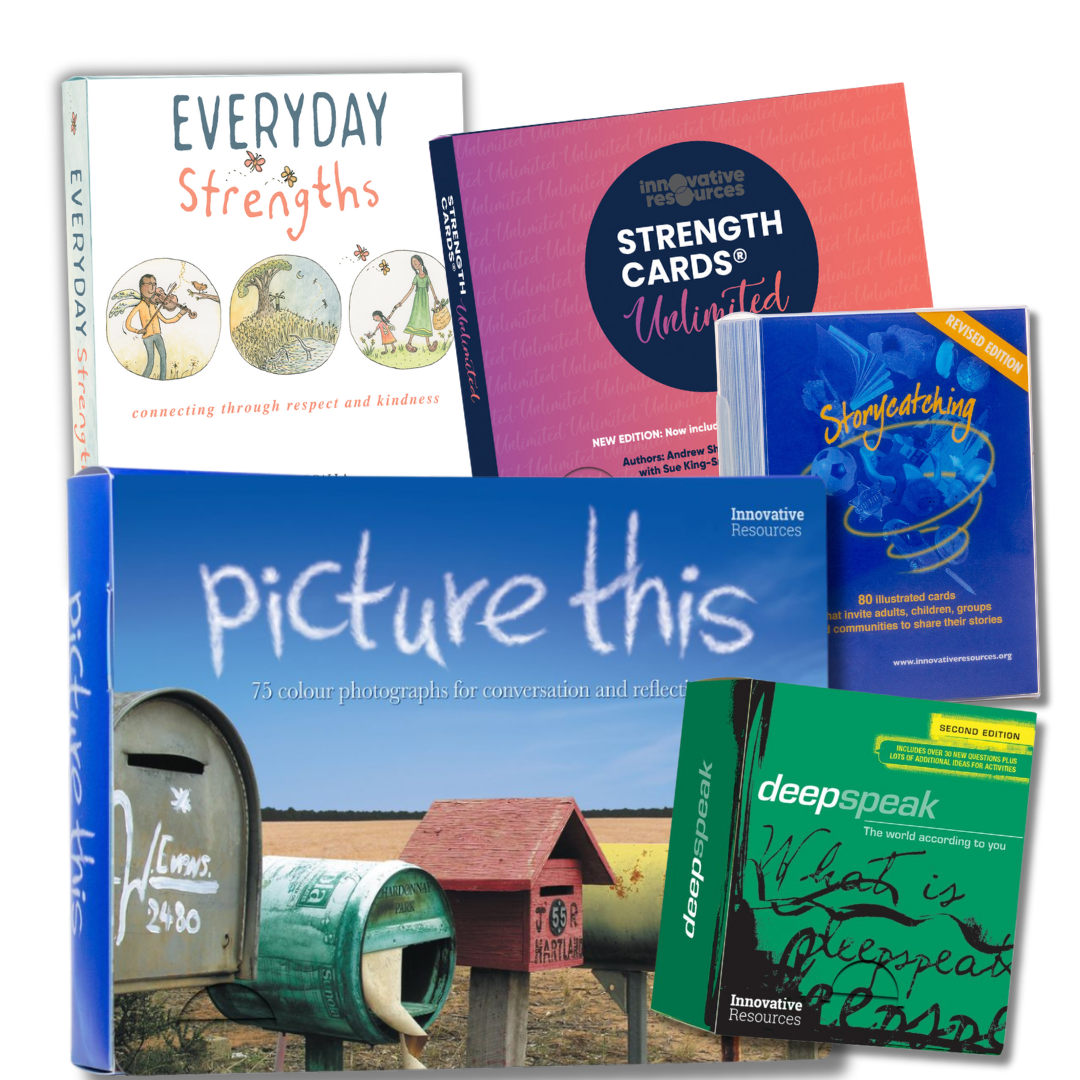
Everyday Strengths is a set of 52 whimsical cards designed to help people recognise the simple yet profound ways strengths appear in daily life. This digital version makes it easy to explore gratitude, hope, resilience, and connection wherever you are – whether on-screen, in a classroom, during an online counselling session, or in a team meeting.

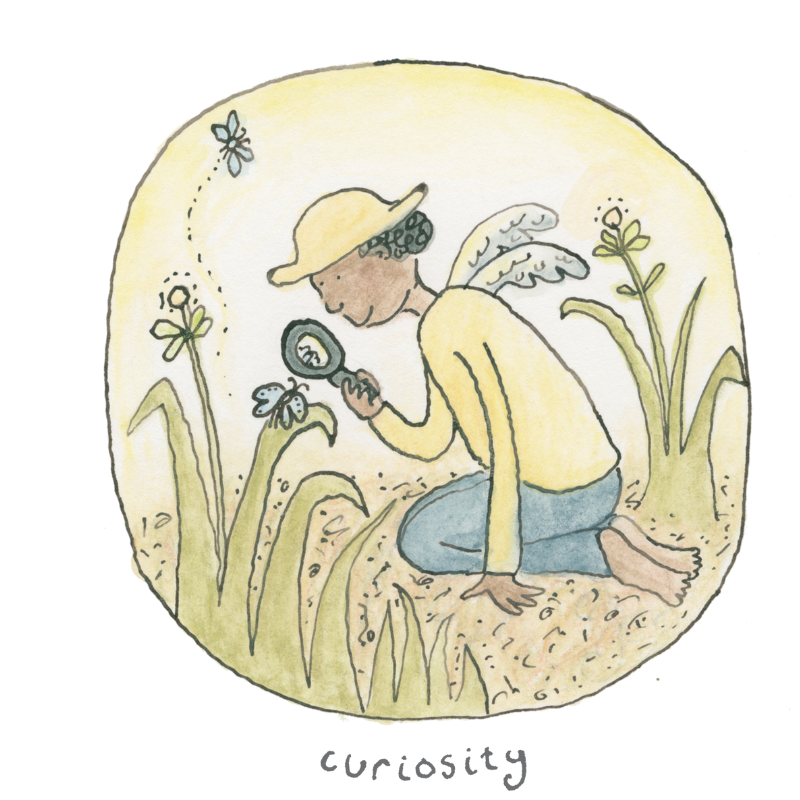
Each card features Trace Balla’s beautifully hand-painted watercolours, celebrating everyday qualities that bring peace, joy, and belonging. Perfect for educators, counsellors, families, and community groups, Everyday Strengths Digital Toolbox helps spark reflection, storytelling, and meaningful conversations about what really matters.

What's Included?
  • Digital version of 52 Everyday Strengths cards
  • Digital booklet with activity suggestions
  • Ongoing access to ideas for activities, blogs, card hacks, videos, and more

We are adding and updating the Toolbox content regularly so check in to see what’s new. Customers must create an account to access digital products.

How to Use
  • Share cards on interactive whiteboards, Zoom, or other online platforms
  • Print selected cards for classroom activities or journaling
  • Use prompts for supervision, team reflection, or personal growth
  • Create reflective exercises around gratitude, calm, and everyday joy

To access the digital card set and toolbox, simply create a customer account. All digital products follow our Digital Usage Policy – see Copyright and Digital Usage for details.

Icon

Suitable for:

This resource is designed for people working in roles that support others, including:

  • Social workers, counsellors and psychologists
  • Trainers
  • Parents, carers and families
  • Educators

testimonials

  • Discover what makes our products a favourite!
focusing on strengths

The cards are designed to help us notice and name our strengths, building our ability to develop and share them.

Illustrator Trace Balla gifted a set to a friend who loves using them for reflection and creative activities. At her Rivertime book launch, Trace thanked her choir by spreading cards on the floor for each member to choose—sparking stories and conversations that filled the room.

Life coach Donna McGrory used Everyday Strengths for storytelling with a group of long-term unemployed participants. Each chose a card representing their “happily ever after” and wrote a story from “once upon a time” to that perfect ending. The activity was transformative—some were moved to tears, and the group left feeling lighter and more connected.

Donna McGrory
small wonders in singapore

Elizabeth Quek, a social worker in Singapore, shared a moving story about using Everyday Strengths cards with Diyana, a young single mum who has faced homelessness and family challenges.
Elizabeth supported Diyana in building confidence, writing a ‘letter of reference’ to affirm her strengths—curiosity, adventure, and the ability to cherish joyful memories. Diyana also spoke about her daughter Sarimah, whose resilience was a constant source of strength.When shown the cards, Diyana chose ‘Wonder,’ seeing herself and Sarimah in the image. Tearful, she reflected on her daughter’s strong character. Elizabeth also created a ‘Winning in Hardship Certificate’ to honour Diyana’s progress.Life remains challenging, but Diyana now feels more confident and determined to create a brighter future for them both.

Elizabeth Quek, social worker
crisis hotline training for aware workers

Kumar, our go-to man in Singapore, is a social worker and manager of government-funded services who loves experimenting with Innovative Resources’ tools. Recently, he trained staff at a leading women’s rights agency—the first male trainer in their 20-year history!

His session focused on family and marital issues. For the closing exercise, Kumar used Symbols and Everyday Strengths cards. Participants first chose Symbols to represent the pain and worries of women calling the crisis hotline, creating an “inner circle.” Then they selected cards showing how callers might feel after healing—the “outer circle.”

Finally, Kumar lined Everyday Strengths cards around the circles and asked staff to pick a strength or hope they’d like to bring to their work. Each card was placed between the circles as participants shared their intentions. The feedback was excellent, and Kumar continues to find creative ways to use the cards.

Kumar, social worker