
Alice Peel had tried all sorts of ways to start conversations with kids about mental health and resilience. But the day she walked into a primary school classroom with a bag of toy animals, everything shifted.
‘Within minutes, the students were animated,’ she says, ‘leaning in, connecting dots, telling stories about their ‘barking guard dogs’ and ‘forgetful elephants’.
Alice knew she had found it—the thing that had been missing from years of teaching children wellbeing strategies: story.
That moment, humble and unplanned, would become the seed of Grow Your Mind—a social venture now supporting hundreds of schools, thousands of families, and an ever‑expanding global community hungry for resources that help children understand themselves, tolerate discomfort, and cultivate joy.
But the real story doesn’t begin in a classroom. It begins in the Northern Territory.
Public health, drums, and the ‘joy factor’
Alice’s pathway into wellbeing work stretches back to her university days studying public health. She was fascinated by prevention—how small interventions early in life could shift long‑term outcomes. Her first job in Darwin with Anglicare was a crash course in meeting young people where they are.
Working with a group of young Aboriginal and Torres Strait Islander pregnant teenagers, she quickly realised that wellbeing couldn’t be delivered through boring lessons or information pamphlets. The girls were yawning through nutrition talks. They needed connection. They needed joy.
‘So, I started Mums with Drums,’ she recalls, ‘a drumming group that travelled all the way to Brisbane’s Dreaming Festival.’
Terrified and frozen in the Brisbane “cold”, the girls wouldn’t speak until Alice pulled out a tattered deck of Strength Cards she’d packed as an afterthought.
‘Suddenly they were alive,’ she says. ‘Each girl named a strength she’d need to get through the next few days. The shift was instant. The girls carried those strengths like talismans, returning to them whenever fear threatened to take over.’
It was a pivotal moment. Joy + strengths + story. A formula she didn’t yet realise would define her future work.
Becoming a teacher… finding the real work
Later, Alice became a teacher and landed what she describes as an ‘awesome job’ at Gawura, an Aboriginal and Torres Strait Islander school in Sydney. But while she loved the students, her interests skewed away from literacy and numeracy and toward the state of each child as a human being.
Alice discovered the questions she really cared about were things like: ‘Have you eaten breakfast today?’ ‘How are you feeling?’ and ‘What’s going on at home?’ Since the school didn’t have a wellbeing program, she was asked to create one.
Her first attempt—the Dolphin Project, based on the idea of ‘dolphin thinking’ versus ‘shark thoughts’—was promising but missing something. She returned to postgraduate studies in positive psychology, ready to come back and ignite classrooms with her new knowledge.
The kids were unimpressed.
‘They were so bored,’ she laughs. ‘It was devastating.’
So, she tried something radically simple. She brought in animals.
Guard dogs, wise owls, and sensitive octopuses
With the support of neuroscientist Dr Sarah Mackay, Alice designed a cast of animal characters embodying core brain functions. The amygdala became a barking guard dog. The prefrontal cortex became a wise owl. The insular cortex became a colour‑changing sensitive octopus attuned to empathy and emotion.
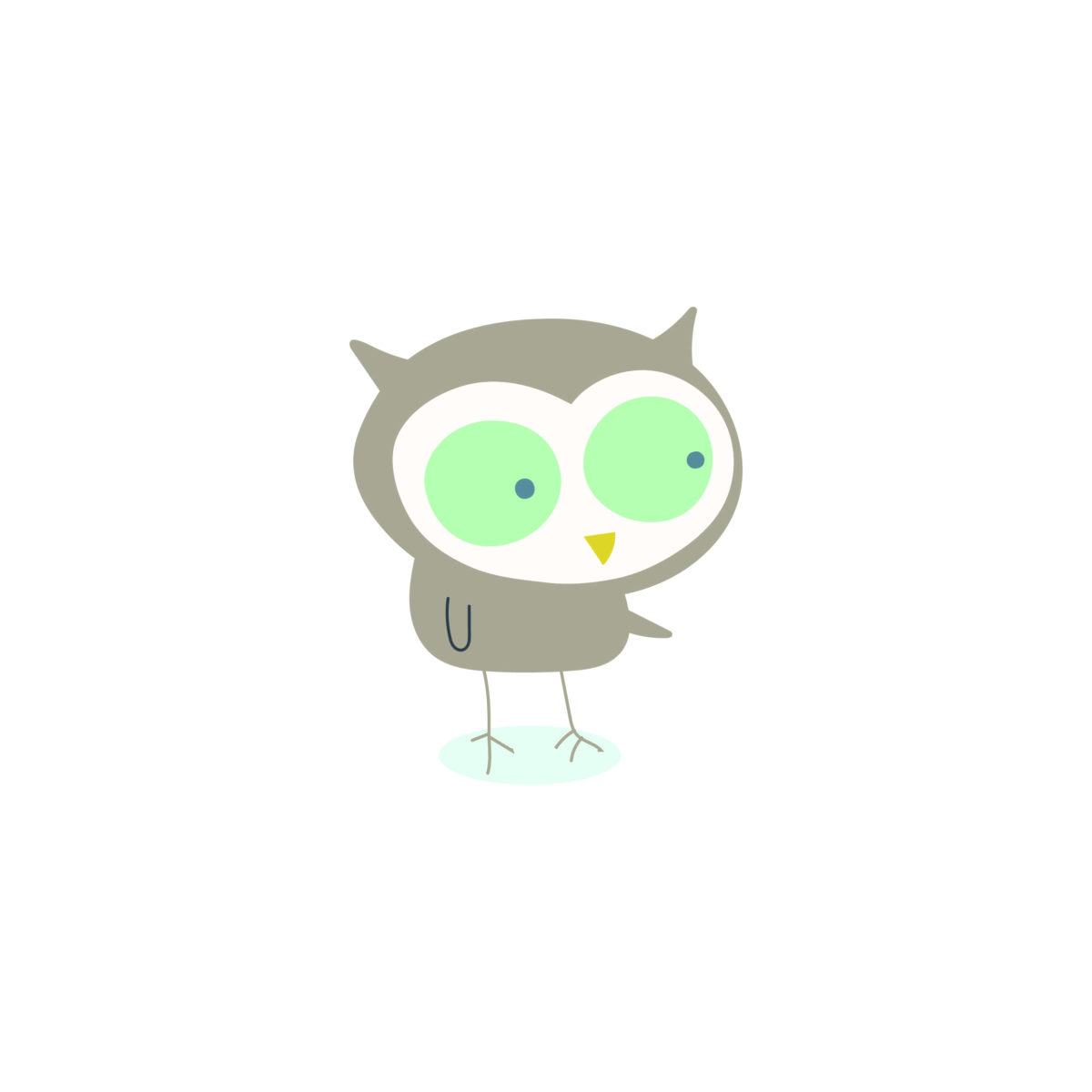 The next day, she walked into class with her bag of animals. Instant magic.
‘The kids didn’t just listen—they leaned in,’ she says. ‘The story carried the science. The metaphor gave the strategies meaning. Suddenly, mindful breathing wasn’t “boring”—it was a way to calm your guard dog. Gratitude wasn’t abstract—it woke up your wise owl. Empathy became the octopus noticing when a friend’s colours changed.’
Parents and other teachers started sitting in on the lessons. Alice had found a language children understood.
The birth of a social venture
Among the parents captivated by Alice’s storytelling was Kristina Freeman, an acupuncturist who’d been experimenting with wellbeing kits for her own young children. She’d noticed the teens she treated could talk endlessly about exercise and sleep, but froze when asked about joy.
During a walk with Alice one day, she made a suggestion: ‘Why don’t we create a social venture together?’
The two women pooled their talents: Kristina’s business and social acumen and Alice’s educational vision.
From a small bag of animals emerged a rapidly expanding wellbeing program, now used in hundreds of schools. And as it grew, Alice kept asking the same question: ‘How do we keep this engaging and real for kids?’
The answer arrived—unexpectedly—in the form of a global pandemic.
A podcast for a planet in lockdown
Grow Your Mind already offered free resources, but Alice believed they could have a bigger reach. So, she gathered their most essential wellbeing concepts and recorded six episodes of a children’s mental‑health podcast—scripted with students, recorded in cupboards and improvised studios, created on zero budget.
Then COVID hit.
‘The timing was fascinating,’ Alice says. ‘Suddenly children everywhere needed support navigating fear, uncertainty, and isolation. The final episode of that first season, The Perfect Antidote, centred on hope—what you can control when the world feels uncontrollable.’
The podcast took off. Each year since, the Grow Your Mind team has built new seasons inspired by real letters from kids and teachers.
And that’s when a publisher came knocking.
How to be a good enough kid
A publisher had heard the podcast and made a simple request: ‘Can you make a book?’ Alice knew her title instantly.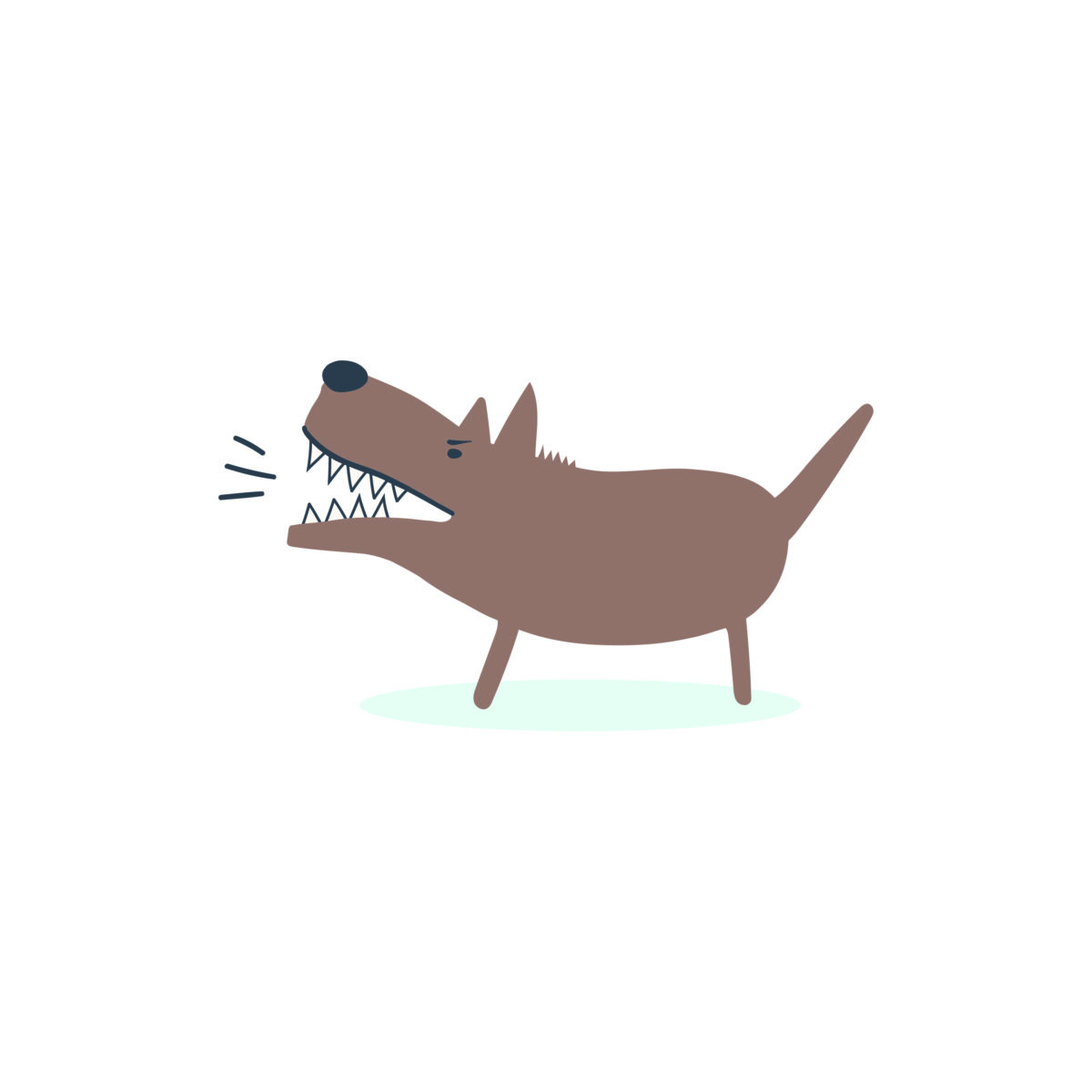
How to Be a Good Enough Kid is both a wink and a warm invitation—an antidote to perfectionism in a culture obsessed with excellence. Its premise: life isn’t about mastery. It’s about trying. Failing. Trying again. Learning how to repair after mistakes. Building character strengths instead of chasing trophies.
Alice hopes the title disarms young readers—and their parents.
I wanted people to relax, maybe even laugh,’ she says. ‘This isn’t about being the best kid. It’s about being a human.’
The book is designed to be dipped into. Feel lonely? Jump to the chapter on friendships and longevity. Hate reading? Start with the wacky comics where an octopus eats its boyfriend. Need a reset? Use your ‘gratitude hand’—five fingers, five things going right.
It’s all anchored in the same philosophy that began with those animals: give kids stories, and they’ll give you themselves.
Why it all works
Grow Your Mind’s work is grounded in a simple truth: children—and adults—learn best through story, metaphor, and lived modelling. You can lecture a child on resilience, or you can show them how to breathe when you’re stuck in traffic. You can tell them to seek joy, or you can let them see you snorkelling, painting, reading, laughing.
‘Kids buy in if we live the strategies,’ Alice says.
Her call to parents is just as clear: help your kids develop resilience not by removing discomfort, but by asking better questions.
Not What did you achieve today? but Who did you help today? Who was kind to you? What joy did you make time for?
‘These are the metrics of a well‑lived life’, Alice reminds us.
A movement rooted in humanity
 Grow Your Mind began as two women trying to make wellbeing interesting. Today it’s a program, a podcast, a book, a movement.
But at its heart, it remains exactly what it was in that first classroom:
A story.
A wise owl.
A barking guard dog.
A sensitive octopus noticing when a friend needs help.
A reminder that being ‘good enough’ is more than enough.
by John Holton

That is immensely kind, Ann Coffey – obvious to say but still important, none of this could have been possible without our cheer squad! xox
Wiping the tears away. What an amazing journey. 2 women prepared to take risks, acknowledge when things aren’t working and go back to the drawing board time and again. Can’t wait for the next chapter. Well done Alice and Kristina.
Great story. A simple and elegant way of facilitating the young to engage. I hope its success will translate into enhanced literacy/numeracy skills and a deeper understanding that learning has many more purposes beyond a quotidian homeostasis. Contemporary systems are complex and require competence. Looking forward to seeing the prevalence inflation hypothesis, proposed by Foulkes and Andrews, reframed to reflect a positive correlation. Providing kids with the basics of communication or even just the permission structure to speak is only the first step…good luck team in addressing the soft bigotry of low expectations.