Join the conversation! SOON (Seriously Optimistic Online News) keeps you connected with everything Innovative Resources – subscribe today!

If your situation is urgent, you can contact these services 24-hours a day, 7 days a week

CLOSE (X)

Listening to children’s voices

So often in the work we do, we are looking for innovative and creative ways to include the voices of the people we work alongside. This can be particularly challenging if we are working with children.

Dr. Lisa Stafford and her team at the Queensland University of Technology, in partnership with UnitingCare Family and Disability Services in Queensland, developed a research project, ‘Empowering Children’s Voices’, to explore the best ways for including the voices of children in human services work.

‘The aims of the project were to understand everyday experiences of hearing children’s voices in practice from both front-line workers’ and children’s perspectives, and to identify how practices could be built upon and enhanced to effectively involve the voices of children more genuinely, and often.

‘This study focusses specifically on two family intervention and support service programs—Intensive Family Support Services and Family Intervention Services—funded under Queensland Government’s Department of Child Safety, Youth and Women.’

Dr Stafford and her team interviewed a number of children aged between 6 –16 years old. They used a range of tools and strategies in the interviews, including Reflexions cards.

‘The Reflexions cards were one of a number of ways children could express and share their experiences of having a voice. The research used a creative participant-centred approach to ensure children’s views were represented faithfully.

‘We used activity-based interviewing for this project (Stafford 2017) which involves the use of art-based activities (such as drawing, collage, building 3D-models) to explore questions like Why is it important for children to have a voice?

‘Giving children choice and flexibility in how they could respond to questions was essential to ensuring we captured the diversity of children’s communication, cognitive, emotional and physical needs.’

Dr Stafford said that the children used the cards in a range of ways.

‘The Reflexions cards were spread out on a table or on the floor and children were given time to look at the cards and select any card that stood out to them. They were then asked to tell us why they chose each card, and how it helped them to express themselves.

‘The cards prompted children to share their feelings and experiences of having a voice. One participant chose the Happy card to share how having a say made them feel. They then went on to tell us about a time when they were asked about their views, which made them feel valued.

‘Another participant selected the Frustrated and Angry cards. The participant was able to share difficult experiences that had occurred in different areas of their lives—at school and in health care—where they were not listened to or taken seriously about bullying and mental health needs, and how that made them feel.

‘The use of the cards as part of the activity-based interviews allowed us to gain deeper insights into the children’s experiences and the structures leading to these experiences.’

Several key themes came out of the research.

‘While frontline workers and child participants agreed it was important for children to have a voice, what was found was that it was not occurring as an everyday practice in the service context and in other key domains such as health and education.

‘A significant number of intersecting challenges prevented the inclusion of children’s voices and child-inclusive practice in everyday practice. These challenges span four broad themes—culture, systems/program, organisation, and direct practice.

‘Our research reinforced the idea that embedding children’s participation is important for their wellbeing, development and safety.’

For this to happen, Dr Stafford says that governments and service providers need to change the way they currently engage with children.

‘This includes the development of a stronger praxis of rights-based child-inclusive approaches in family support services to ensure children’s knowledge and needs are understood and considered.

‘We believe the findings will be useful for policy makers and academics to help them address broader implementation of Article 12 of the United Nations Convention on the Rights of the Child (UNCRC) adopted in 1989, which basically says that children have the right to be heard and participate in decision making.

‘It could also assist organisations to meet the National Principles for Child Safe Organisations as well as recommendations made by the Royal Commission into Institutional Responses to Child Sexual Abuse (2017).’

Here are some of the key suggestions, for workers and organisations, arising out of the project:

  1. Recognise children as individuals with rights. This is key, as recognition leads to being valued and being resourced. Recognition and children’s participation are directly linked.
  2. Create a culture that values children and their voices in family support services as part of the care continuum.
  3. Commit to and embed rights-based child-inclusive practices in family support programs, and build-in appropriate support and resources within contracts and service delivery to do this essential practice.

Dr Stafford’s final message is that we need to actively listen to the voices of children in the development of our services, as children have an enormous amount to offer.

‘The project highlights that we need both attitude and cultural change. We need to recognise and value children’s immense knowledge and insight into their lives and needs.

‘In order to express their voices, children need access to flexible, inclusive communication tools, including play – not rigid tools.

‘A paradigm shift to protection with participation, alongside steadfast leadership to embed a rights-based child-inclusive approach in holistic family support practice, is needed to uphold the rights of children.’

********************************************

Dr Lisa Stafford is a Senior Lecturer & ARC DECRA Fellow, School of Public Health and Social Work at the Queensland University of Technology (QUT) Brisbane, Australia.

She worked collaboratively with the following people on this project: Jo Harkin, Annie Rolfe, Prof Christine Morley and Dr Judith Burton (QUT). The project was facilitated by Dr Chez Leggatt-Cook, UnitingCare.
 

Recently, Reverend Susan Pickering from the Uniting Church let us know about some YouTube clips she’d created of her reading a series of children’s books.

The list of books she read included two Innovative Resources classics, Captain Grumpy (written by Russell Deal and illustrated by Sue Jenkins) and The Wrong Stone (written by Russell Deal and illustrated by Ray Bowler).

Susan generously agreed to talk to us about her project. We started by asking Susan to tell us a bit more about herself.

‘I’m married with two daughters and three grandchildren and I was ordained as a minister in the Uniting Church in 2009. I’ve served in congregations since, except for a short break in 2017 when I worked as the program manager for the Victim Support Unit in the supreme and district courts. Prior to ministry, I worked in the field of disability.’

Susan said that she’s always been fascinated by the power storytelling can have on both a personal and societal level. In her various roles, she has heard many people’s stories.

‘I’ve spent my life working with people and learning that all people have their own stories, journeys of joy and sadness, barriers and open pathways. I’ve been committed to social justice, for as long as I can remember and have volunteered overseas, on committees working for the prevention of domestic violence, advocating for people seeking asylum and refugees, for marriage equality, the list goes on.’

Susan sees this project as a way to provide children and families with something meaningful and positive to focus on during these strange and unsettling times.

‘I love reading children’s stories—reading to children is fun—but more than that, it enriches their lives and opens their minds, providing them with new skills and understanding.

‘At this time in particular, with COVID-19 causing so much fear and anxiety, stories can help create calm. They can equip children to deal with some of the feelings and emotions that are displayed through the characters in the stories.’

She decided to include Captain Grumpy and The Wrong Stone as they explore themes and ideas she believes all children can relate to.

Captain Grumpy, well, it’s a story that I think connects with us all. We all have dreams and sometimes fulfilling those dreams can seem near on impossible and can also leave us feeling quite miserable.

‘Initially Captain Grumpy’s grumpiness is a strength but eventually it lands him on an isolated island. It’s during that time he realises he can live his dream, not perhaps as he initially wanted but he ends up creating art in different ways and ultimately finds his joy – it’s a story of journey, challenge and discovery.

The Wrong Stone—who hasn’t at some point felt that they don’t fit in, that they don’t have a place in the world? Being different can leave kids feeling alone and sad. This book celebrates diversity, acknowledging that we are all different, each with our own quirks and strengths. The story identifies the loneliness and anxiety that kids sometimes experience and ultimately celebrates the unity and inclusion of all.’

Susan has already had some positive and encouraging feedback on the clips and she has a few other suggestions for how we can support children while we are at home.

‘One great piece of feedback I got was from an 8-year-old who had decided to write their own story and video it. I also got a couple of comments that people had used the online story for their children because their life had been thrown in the air a little.

‘I think interactive online activities that touch on the issues that are raised in books like Captain Grumpy and The Wrong Stone are going to really help children navigate this time of isolation. I think any engagement around empathy, fear, uncertainty and for some kids, death, will be a real support to them. Helping kids to acknowledge how they are feeling is the best thing we can do right now.’

Susan believes that sharing stories can build understanding, trust and ultimately, a better world.

‘I dream of a world that welcomes diversity and recognises how our differences can actually enhance and enrich our lives. We are all part of a larger narrative and when we recognise that I believe our lives can flourish.’

Follow these links to watch Susan reading The Wrong Stone and Captain Grumpy, as well as other stories.

Captain Grumpy
Softcover, 32 pages, 210mm x 280mm
Product Code: 6075
RRP: $24.50inc gst

The Wrong Stone
Softcover, 280mm x 210mm, 32 pages
Product Code: 6050
RRP: $24.50

The Stones value pack
Value Pack contains:
Stones …have feelings too! Cards (3900)
Stones …have feelings too! Stickers (3950)
The Wrong Stone (6050)
Pocket of Stones (0700)
Product Code: 1009
RRP: $92.55 inc gst

When you are already managing a mental health issue, the additional stress of social isolation can be particularly tricky to navigate.

As we launch the new digital version of the Eating Disorders & Other Shadowy Companions, we thought it was worth spending some time finding out how COVID-19 may be affecting the mental health and wellbeing of people managing eating disorders.

How is COVID-19 impacting on people with eating disorders?

The Butterfly Foundation for Eating Disorders says that disruptions to food shopping and food availability, altered exercise routines, reduced contact with support networks and increased exposure to social media messaging, can all be highly stressful for people managing an eating disorder.

As there is still so much shame and guilt around eating disorders, often people already feel isolated and alone. At the moment, these feelings of isolation are likely to be heightened, as are anxieties related to food and weight.

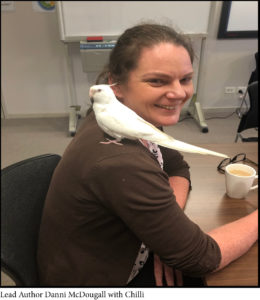
Danni McDougall, lead author of Eating Disorders & Other Shadowy Companions believes that there are a number of things we need to be aware of when supporting people with eating disorders at this time.

‘I have noticed that there have been many conversations about “making the most of lockdown”, with a number of companies and individuals encouraging people to change their bodies through exercise and diets.

‘While reminders to maintain wellbeing can be really helpful, for people with an eating disorder, exercising at home may trigger reminders of times when they were unwell and exercising excessively, possible in secret—this could bring up distressing feelings.

‘When so much feels out-of-control in the world and in our lives, it can be tempting to slip back into old habits. But by adapting resources and focussing on other hobbies, the eating disorder does not have to take more space than it did pre-COVID-19, or erode the progress a person has made towards health and wellbeing.’

So what can people experiencing an eating disorder do to look after themselves at the moment?

Juliette Thomson, clinical psychologist and manager of the Butterfly Foundation Helpline suggests that staying connected and limiting exposure to unhelpful media is key.

‘Eating disorders thrive on isolation so it’s critical to stay connected with family and friends. Social media (when used appropriately), video calls, and phone calls – all play a part in making sure we stay connected.

‘Set a time every day for a video call with a group of friends. Try to limit your exposure to news, and even then only at set times of the day, and only follow reputable sources.

‘Practising mindfulness and engaging in journalling, meditating, chatting with friends, and other activities you enjoy can be extremely helpful during this challenging period.’

How can digital tools like Eating Disorders & Other Shadowy Companions help people stay connected?

At exactly the time people most need to have meaningful conversations about mental health, many of the places they would usually go—friends and family, counsellors and psychologists—are harder to access.

While phone and video call tools are great ways to stay connected, a number of the strategies we usually use to build rapport with people have been curtailed. It may be harder to read body language, for example, or demonstrate empathy by matching and mirroring people as they talk about their experiences, in a virtual space. As a result, it can be easy to miss important cues or skim the surface and not get to the heart of the issue.

That’s where digital tools can be useful. By providing prompts and activities, they can help guide and deepen virtual conversations.

Danni says that the digital version of Eating Disorders & Other Shadowy Companions has a number of features that can help build rapport and connection.

‘The digital cards are interactive which means they can be adapted to the specific circumstances a person is going through. The ability to draw on them, highlight them and record notes on them helps open up conversations.

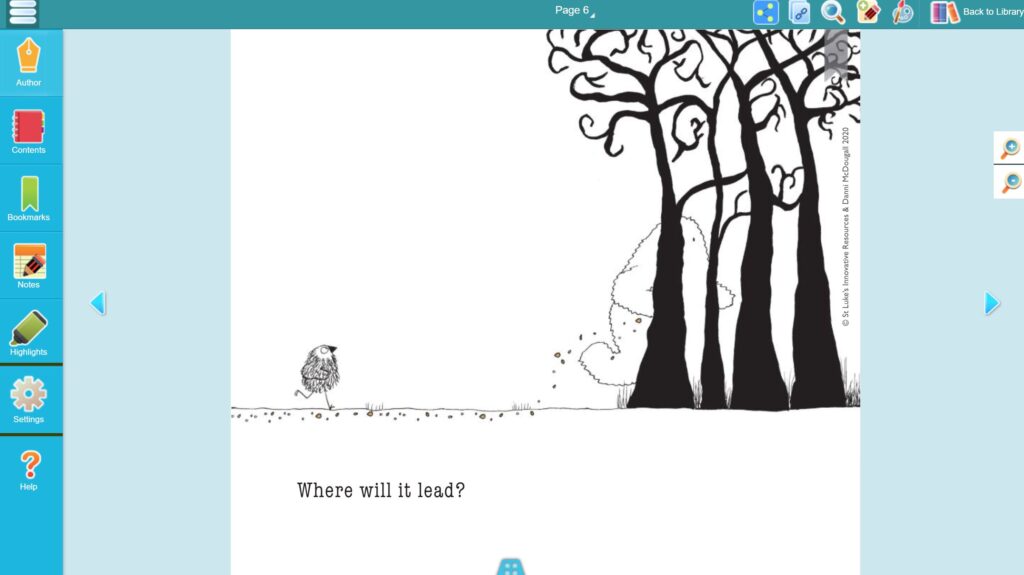
‘The digital cards can also support conversations about options that might feel too difficult to act on just yet. For example, with the card, Where will it lead? you could write on one part of the card where you think it will lead if things stay the same, and on another part of the card, you could write about what might happen if the direction was changed a bit.
‘If someone is not ready to make a step in a different direction, the cards can create a safe space to consider these ideas, knowing text added to the cards using the text tool can be rubbed out using the eraser tool if it feels too confronting.’

Danni notes that the cards can be used in many creative ways as a ‘canvas’ for prompting and recording conversations.

‘In the booklet that comes with the cards, we talk about many ways people can use this resource. Suggestions tailored especially for the digital environment have been added to the beginning of the digital booklet. The benefit of being able to interact with the cards digitally (for example, by drawing on them) is that people can personalise the cards according to what is happening for them in that moment.

‘In an art therapy session a client could be asked to choose a card that represents how they are feeling now and then asked to add key words to the card, using the text function, to describe what their experience felt like. They could then be asked questions like, What does that feel like in your body?, How would you like it to be different?, How would you know if it was different?, What would it be like if Ed was a bit more in the background?

‘One of the other benefits of digital interactivity is that the card can be saved with the person’s adaptations, and reviewed in a later session, to see if things are the same or have changed.’

The digital version Eating Disorders & Other Shadowy Companions is available now.


As parents, grandparents, carers, teachers and other people who support children, one of our priorities is to keep kids safe.

Of course, this isn’t always in our control. Unless we wrap our kids in cotton wool and never let them explore the world, they are going to take risks and challenge themselves. And inevitably, no matter how much adults may try to protect them, they will experience difficult emotions and be exposed to potential dangers from time to time. Experiencing the rich and varied territory of feelings, emotions, relationships and changing circumstances is part of how they learn and grow.

So how do we support them to navigate the strange and wonderful world around them with awareness and confidence?

Recognising body signals

One of most valuable skills children can have is the ability to recognise when they feel unsafe. They can do this by learning to recognise and interpret body signals. Sometimes called their ‘early warning signs’, body signals tell them when they feel unsafe or under pressure.  For example, they might notice that they have a tight tummy or they feel tense in the shoulders. Their legs might go weak or they might not be able to speak. As anger is mounting, fists can form, the jaw tightens, the face hardens.

Equally, it is important that children know how it feels in their body when they are safe and at ease. They may feel relaxed, energetic, confident or free to speak up. They may have an open body posture or may express their comfort by smiling or connecting with others.

Knowing what to do next

Once a child knows how to recognise when they are feeling unsafe, they then need to know what to do next. Who should they tell? Who can they trust?

It is important to have conversations with children about what they would do if they found themselves in a challenging or confronting situation. Talking through options and developing a plan can help reduce fear and build confidence.

It can also be reassuring for parents and carers to know that, should their child find themselves in a difficult situation, they have strategies for managing that situation in proactive and positive ways.

Tell a Trusted Adult card set

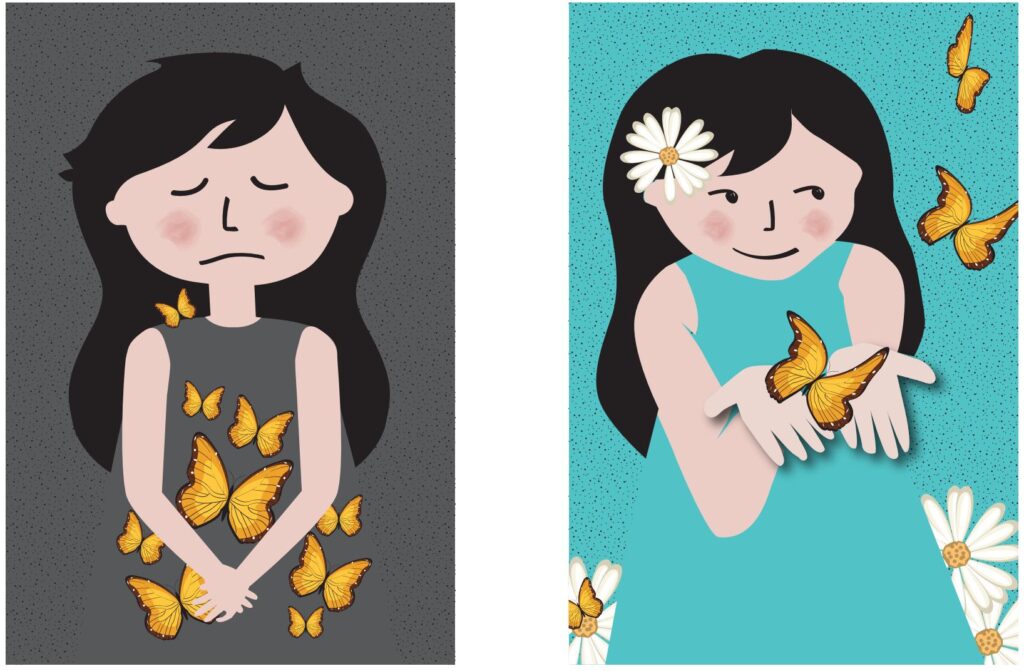
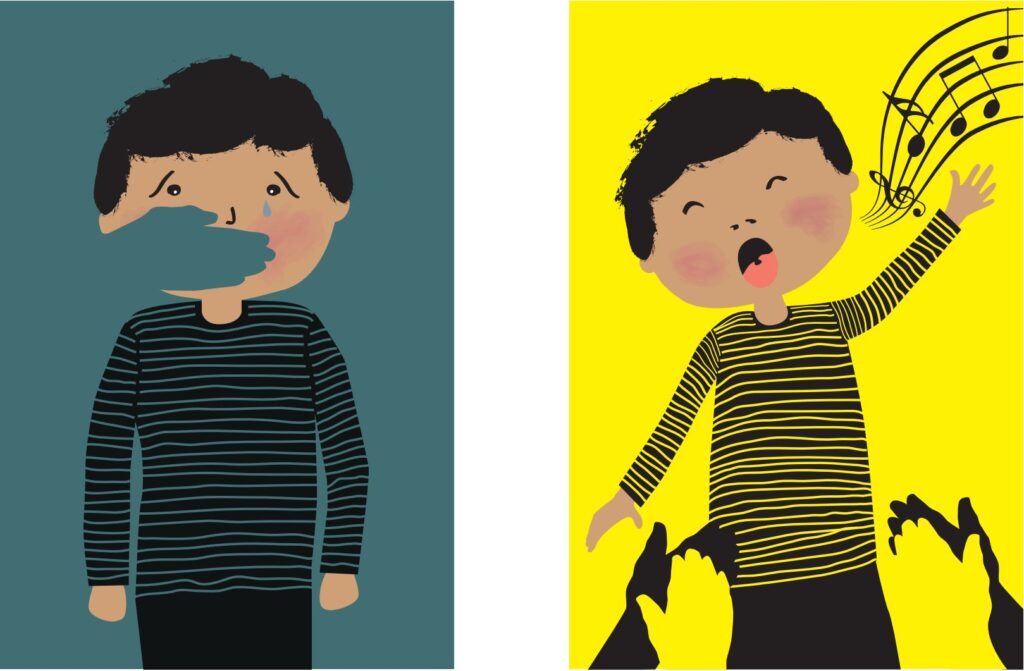
Tell a Trusted Adult is a set of 35 cards to support conversations with children around safety. These beautifully-designed cards come in pairs, one depicting a child feeling safe and one depicting a child feeling unsafe or under pressure.

The cards are designed to help children build their social and emotional literacy, especially how their body communicates distress or concern. Working with the cards will support children through transitions, help them identify their circle of trusted adults, and build their confidence and ability to act.

Developed by teacher, Sharon Hynes, and designer/teacher’s aid, Katerina Meda, this card set also includes simple, fun activity cards and ten lesson plans with adaptations for a range of pre-school and primary school ages. Sharon and Katerina have created a term’s worth of lesson plans aligned with the Australian State and Federal curriculum. However, these activities and lesson plans work equally well with groups in any setting (such as children’s services or foster care) and can be readily used one-on-one with children anywhere.


Card set
35 laminated, full-colour cards, 130mm x 190mm
polypropylene box, 60-page booklet
Booklet authors: Sharon Hynes with Sue King-Smith & Karen Bedford
Illustrator/designer: Katerina Meda
Cat no: 4980  AU $59.50 (includes GST)

Kit 
Card set (as above), PLUS:
10 lesson plans (A4 PDFs with activities tailored to ages 3-10+) and 6 full-colour posters (A3 PDFs)
Cat no: 4981  AU $99.00 (includes GST)

When a crisis hits, many people who have never accessed services before suddenly need support, placing additional strains on already stretched services. Organisations offering support around mental health, family violence, housing, food, financial counselling, AOD, amongst other things, are all under pressure at the moment. So are education providers and other essential services, like supermarkets. And these pressures are only going to increase over the next few months.

So how do we make sure that continue we deliver respectful and inclusive services even when we are under-the-pump?

While these suggestions were designed with LGBTIQ people in mind, they can also apply more broadly to anyone needing support at this time

Some tips for supporting people during Covid-19

  • Take the time to tune into the physical, psychological, social and economic risks your clients may be experiencing, and help them develop and maintain a plan to stay safe.
  • Remember to take a strengths-based approach that helps them tune into their internal and external resources and support them in staying connected. It’s also very affirming to check in about how their communities and networks are doing, including their family of choice.
  • Rapport is important when clients are feeling isolated. If handing a client over to another staff member, remember to take the time to let them know about the unique support needs of your client, and include suggestions about how to build rapport with them. Take time to build a connection with new clients.
  • Not everyone lives with family or housemates who know about what services they are accessing. Before starting a phone or video session, confirm via text or email that the person has a safe and private space to talk, and ask if they have any privacy concerns before going ahead.

For a full list of suggestions, you can access the Rainbow Health Australia’s LGBTIQ Inclusion for COVID-19 Remote Service tips sheet here.

What are some of the specific things to keep in mind working alongside LGBTIQ communities?

LGBTIQ people and communities are diverse. While many LGBTIQ people are fit and healthy, research suggests that some LGBTIQ people may be more prone to experiencing serious symptoms from the coronavirus. According to LGBT Nation, the US-based National LGBT Cancer Network says there are three reasons that LGBT people may need additional support in avoiding coronavirus
‘First, LGBTQ people are 50% more likely to smoke than cisgender, heterosexual people. Coronavirus is a respiratory disease and smoking – and likely using e-cigarettes as well – reduces immunity to respiratory diseases and makes recovery from those diseases take longer.

‘Second, LGBTQ people have higher rates of both cancer and HIV, both of which can compromise a person’s immune system.

‘Last, LGBTQ people face barriers when it comes to access to health care. Discriminatory attitudes are common enough among medical professionals that some LGBTQ people avoid or delay health care.’

In addition, LGBTIQ people may also experience intersecting forms of discrimination or disadvantage related to their race, religious background or culture, for example. They are also more likely to experience mental health issues and family violence.

How can services support LGBTIQ people during this time?

Rainbow Health Australia acknowledges that many of the ways we usually demonstrate that we offer an inclusive service, like displaying LGBTIQ-inclusive posters or pride flags in waiting rooms or having non-gendered toilets, are not easily seen when we are providing services remotely.

Here are some of Rainbow Health Australia’s suggestions about what we can do while working remotely:

  • Post social media messages reassuring LGBTIQ people that your service is here to support them
  • Follow LGBTIQ community organisations and community groups on social media, and share their posts and resources
  • Add a section to your hold music affirming your support for LGBTIQ communities
  • Wear a pride lanyard on video consultations, if you have one
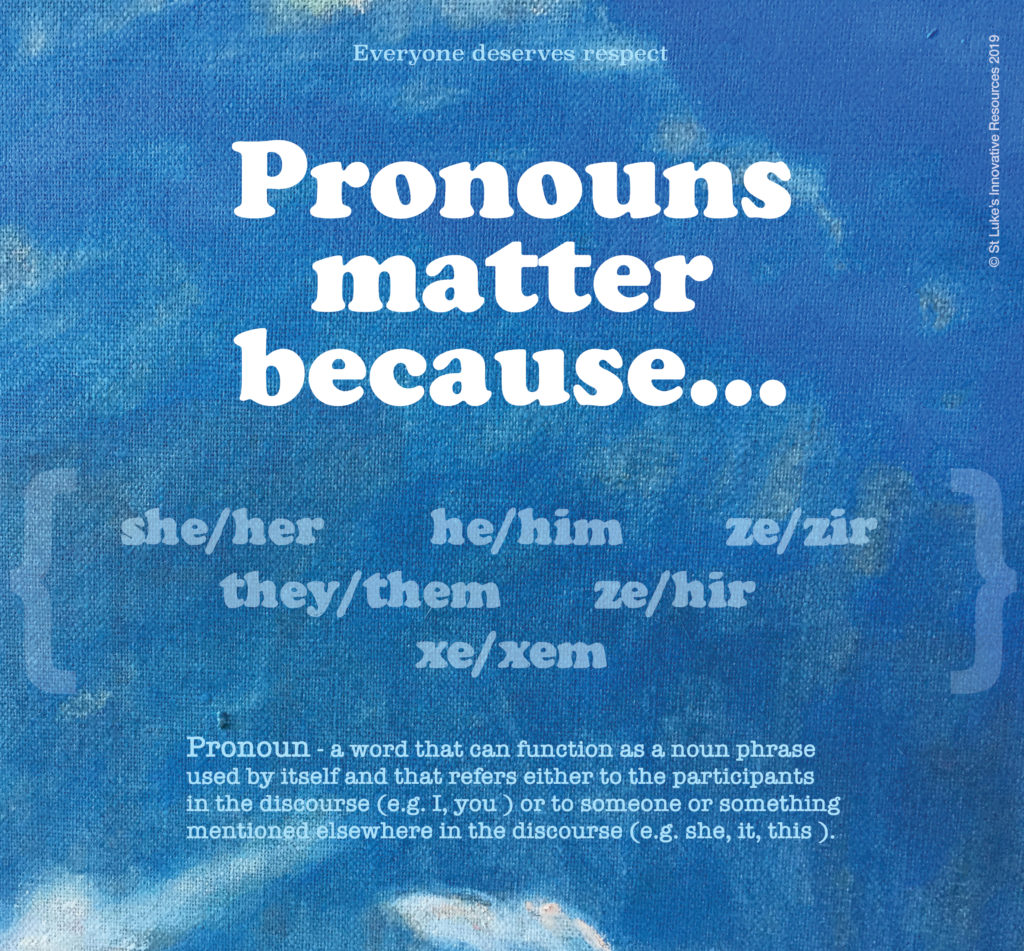
  • Wear a pronoun badge. If you don’t have one, you can use a sticky label.
  • Make sure you are respectful of the pronoun and name the person uses

Looking after ourselves

Lastly, we need to look after ourselves as much as possible. When we are feeling stressed or overwhelmed, we are less likely to be able to be respectful and inclusive of other people’s experiences of the world.  We are also less able to notice and explore the nuanced and complex ways in which people’s lived experience, past and present, may impact on their ability to proactively engage with services.

So finally, be kind to yourself. Take care of yourself, your family and community, so that you are in the best space to support others.

For more information or support, you can contact Rainbow Heath Australia on rainbowhealthaus@latrobe.edu.au or contact LGBTIQ support services in your state or country.


World Bank figures suggest that there are around 370 million Indigenous people worldwide in over 90 countries. While many countries have worked hard to improve the health and wellbeing of Indigenous people, the World Bank notes that most Indigenous communities are still significantly disadvantaged across several domains.

‘Although they [Indigenous people] make up 5 percent of the global population, they account for about 15 percent of the extreme poor.  Indigenous Peoples’ life expectancy is up to 20 years lower than the life expectancy of non-indigenous people worldwide.’

The Australian story

In 2008, Australia committed to reduce the inequality between Aboriginal and Torres Strait Islander people and non-Aboriginal people in relation to life expectancy, children’s mortality, education and employment through the Closing the Gap initiative.

 While some progress has been made towards the Closing the Gap goals, many Aboriginal and Torres Strait Islander people have said that they need to have a more significant voice in the process and called for ‘the next phase to deliver a community-led, strengths-based approach.’

In 2017, the Australian government refreshed the Closing the Gap initiative and prioritised putting Aboriginal and Torres Strait Islander people at the centre of the conversation.

‘In a commitment to devolving decision-making as close to the ground as possible, community leaders are directly involved in making recommendations to government about how services and funding align with community priorities.’ https://ctgreport.niaa.gov.au/overview

Think global, act local

In Bendigo, Australia, one initiative is trying to put this commitment into action in a very practical way.

Noah’s Ark Inc Bendigo and Communities for Children Bendigo have worked with the Bendigo & District Aboriginal Co-operative and other members of their local Aboriginal community to create ‘Connecting with Culture on Dja Dja Wurrung Country’ – a short video about listening to the voice of Aboriginal families in order to influence system and practice change.

Amanda Lonergan, who leads the Noah’s Ark project as part of the Communities for Children team, talks about how the video fits into their broader initiative.

‘The video is the first component in an evolving toolkit which aims to guide and support services to be welcoming and respectful to Aboriginal families and engage meaningfully with Aboriginal Culture. It focusses on local connection and perspectives.’

The video came out of an earlier project called the ‘Voice of the Family’ which resulted in the ‘Hearing the Voice of the Family: Throw Away the Book’ report in 2017. The report highlighted the fact that many families, including Aboriginal and Torres Strait Islander families, felt that their voices were not being heard in the development and design of services aimed at them.

The main purpose of the video and toolkit is to encourage service providers to think about how they can co-design service by including Aboriginal and Torres Strait Islander people in the development process. The first step in co-design is always to listen.

‘We wanted to provide a safe space for Aboriginal families to offer information that is important to them and their culture.’

Key learnings

Amanda says that she hopes that the video will encourage people to, ‘educate our children, colleagues and community to be open to learning or expanding their knowledge of working and living with our First Nation peoples.’

 She said that she learnt a lot from listening to people’s stories but the main take-away messages for people working alongside Aboriginal and Torres Strait Islander families were:

  • Be open and honest – ask if you are unsure of what to say or do in a situation.
  • Relationships take time and mutual respect.
  • Families may have told their story many times to various services—they need to be able to trust that their voice will be respectfully heard and acted on.
  • Start conversations and find mutual ground – what do you have in common?
  • For service providers, look at your reception and work entry areas as well as your intake forms, particularly the question, ‘Are you Aboriginal or Torres Strait Islander?’ Consider making changes to the way it is asked – perhaps replace it with something like, ‘Are there any cultural beliefs we need to be aware of when we are working with you and your family?’
  • It’s important to celebrate Aboriginal culture and people on key dates—during NAIDOC week, for example—but it’s equally important to find ways to acknowledge and celebrate the importance of Aboriginal culture in our everyday work and conversations.’

One of the comments that resonated strongly for Amanda came from a participant in a group consultation, who said that they wanted people to, ‘Understand that our past still reflects today’. This was a reminder that the intergenerational impact of trauma and dispossession is very real and should be always be taken into consideration.

The most important message Amanda would like people to take away from the video is,

‘To work alongside Aboriginal families and community members in the service sector is a privilege which should be undertaken with respect, kindness and an openness to listen to what is generously being shared.’

How can I access the video?


View the Connecting with Culture on Dja Dja Wurrung Country video (left)


The video is freely available and Amanda encourages people to use it in training, for team/service reflection or orientation with new staff. You can view the video above.

The toolkit will contain resources, contacts, an audit tool, links and more. It will be available in an electronic format on the Communities for Children website in the coming months.

People are encouraged to contribute to the toolkit by contacting Amanda via email: Amanda.Lonergan@noahsarkinc.org.au

The Five Column Tool is a resource that has been used to structure strengths-based conversations for many years. This versatile tool was pioneered in the 1990s by Di O’Neil, Wayne McCashen and others working at St Luke’s Anglicare (now part of Anglicare Victoria). It can be used to guide a conversation, record key information, name barriers to change, develop a constructive future picture and identify resources.

This simple tool can be used in a range of settings and with people experiencing different life challenges. While it can be done in the traditional ‘five column’ format, it can also be reconceived as a mind map or a collage (where people put images or photos in place of words in each of the columns). Or it could have four or six columns. You can also adjust the headings of each column to suit the needs and language of the person using the tool. (See image above for an example of how we used images from our Paperworks resource to design a unique Five Column Tool.)

Recently, we heard from a psychologist about how she used the Five Column Tool in two different settings – in a school and in her private practice.

Getting unstuck

As a school psychologist, she says she often works with students who feel stuck and unable to move forward.

‘I’ve used the Five Column Tool a few times to help students clarify their thinking about things. I recently had two boys who were procrastinating about issues that have been long term problems for them, but they never seemed to get to the point where they could clearly identify next steps.

‘Using the Five Column Tool, they were both surprised to find that they already had a number of resources at their disposal and strengths that they could use to help manage the issues.  They were able to identify some clear next steps and went off more confident that they could affect change, and that this would actually make them feel less stressed and better about themselves.’

As a psychologist in private practice, she says she has also found the Five Column Tool, ‘very useful in a couple of quite different situations’.

Responding to feedback

Here, she describes how she used the tool with a manager working in a government department to talk about how he responded to feedback from colleagues.

‘I used the Five Column Tool with a manager in an IT section of the public service who had been experiencing ongoing stress whenever anyone suggested that there might be a problem with some part of his work.  He was taking it very personally and then reacting to his staff and his managers in an unhelpful way.’

She notes that the tool supported him to become aware of the different ways he responded to feedback in different situations.

‘The process was very illuminating for him because he realised that when a colleague reacted the same way (as he had been reacting) with his team, he thought the reaction was extreme.

‘He noticed, as we moved through the columns, that when he wasn’t directly involved he could be very objective about the problem and could find creative solutions, but when he was directly involved and felt that people were judging him for making a mistake, he reacted badly.’

She then used the tool to open a discussion about how he might be able to respond to feedback differently.

We talked about the fact that in a previous workplace, his boss often said that everyone makes mistakes. His boss believed that making mistakes was how people learned and it was no one’s fault – my client had found that very liberating.

He decided that he would to talk to his old boss to gets some tips about dealing with feedback. He would then introduce this approach at his current workplace and within his team. He left feeling empowered and confident that he had the skills and strengths needed to deal with new situations in a more positive way.’


……………………………………………….

St Luke’s Innovative Resources offers a short online course for people wanting to know more about the Five Column Tool. The course includes a brief introduction to strengths-based practice, a couple of Five Column Tool templates and practical tips for implementing the tool immediately in your work with others, or in your own life.

*Images in this article are from our PaperWorks card set. They are not included in the course and can be purchased separately as hardcopy templates or pdf downloads


Title: Five Column Tool online course

Cost: $35

I was having a chat with a friend over coffee the other day and she described how every time she made a suggestion in team meetings, she felt like she wasn’t heard or taken seriously. She was wondering what she was doing wrong—did she lack charisma, was her voice too soft, were her ideas just no good?

We talked for a while longer (over another coffee and a particularly good caramel slice) and I eventually asked, ‘Does this happen to everyone or just you?’

She had a small lightbulb moment.

‘You know what,’ she said, ‘when the men speak up, often their ideas are accepted and taken seriously. Not just by the other men in the room but often by the women too.’

I walked away from our conversation wondering if other women were having this experience too. Given that International Women’s Day was earlier this month (March 8th), I thought I’d explore this a little further.

We are pretty much equal now…right?

Well…not quite. In fact, it turns out that that we still have a way to go.

United Nations figures show that women are still vastly under-represented in a number of areas.

‘Stark gender disparities remain in economic and political realms. While there has been some progress over the decades, on average women in the labour market still earn 20 per cent less than men globally. As of 2018, only 24 per cent of all national parliamentarians were female, a slow rise from 11.3 per cent in 1995.’

And according to LeanIn, a global community dedicated to helping women achieve their ambitions, my friend’s experience of not feeling heard or valued is still an all-too-common one for women in the workplace.

Gender Pay Gap*

As the Australian Government’s Workplace Gender Equality Agency (WGEC) says:

‘Australia, along with many countries worldwide, has made significant progress towards gender equality in recent decades, particularly in education, health and female workforce participation. However, the gender gap in the Australian workforce is still prevalent. Women continue to earn less than men, are less likely to advance their careers as far as men, and accumulate less retirement or superannuation savings.’

There are a number of factors that contribute to the gender pay gap. According to WGEC, these include:

  • discrimination and bias in hiring and pay decisions
  • women and men working in different industries and different jobs, with female-dominated industries and jobs attracting lower wages
  • women’s disproportionate share of unpaid caring and domestic work
  • lack of workplace flexibility to accommodate caring and other responsibilities, especially in senior roles
  • women’s greater time out of the workforce impacting career progression and opportunities.

While women on average earn 20% less than men globally, this figure can be considerably higher for women who experience intersecting forms of discrimination related to race, culture, disability, religious background, gender identity or sexuality. As the US-based National LGBTQ Taskforce describes, race and gender significantly impact on earning capacity.

‘Compared to every dollar made by white, non-Hispanic men, African-American women make only 64 cents and Hispanic women make only 55 cents. Lesbian women bear an even greater economic burden. According to the Williams Institute, women in same-sex couples have a median personal income of $38,000 compared to $47,000 for men in same-sex couples.’

Check out this fascinating experiment in Germany where three transgender people went to job interviews twice – once as a man and once as a woman. While they had almost identical resumes, they were treated quite differently and were offered very different rates of pay.

But it’s not just in relation to inequitable pay rates that women are behind the eight-ball.

Unconscious bias in the workplace

LeanIn suggests there are several ways that women are discriminated against in the workplace. These mostly result from particular unconscious biases.

  • Performance bias—where women have to accomplish more to prove that they’re as competent as men.
  • Attribution bias—where women are seen as less competent than men, so we give them less credit for accomplishments and blame them more for mistakes.
  • Likeability bias—we expect men to be assertive, so when they lead, it feels natural. We expect women to be kind and communal, so when they assert themselves, we like them less.
  • Maternal bias—motherhood triggers false assumptions that women are less committed to their careers.
  • Affinity bias—we gravitate toward people like ourselves in appearance, beliefs, and background. And we may avoid or even dislike people who are different from us. As more men are in leadership, and are therefore more often in hiring roles, they are more likely to feel an affinity with male applicants for jobs or for male staff members generally.
  • Double discrimination and intersectionality—as described earlier, women can also experience biases due to their race, sexual orientation, a disability, or other aspects of their identity.

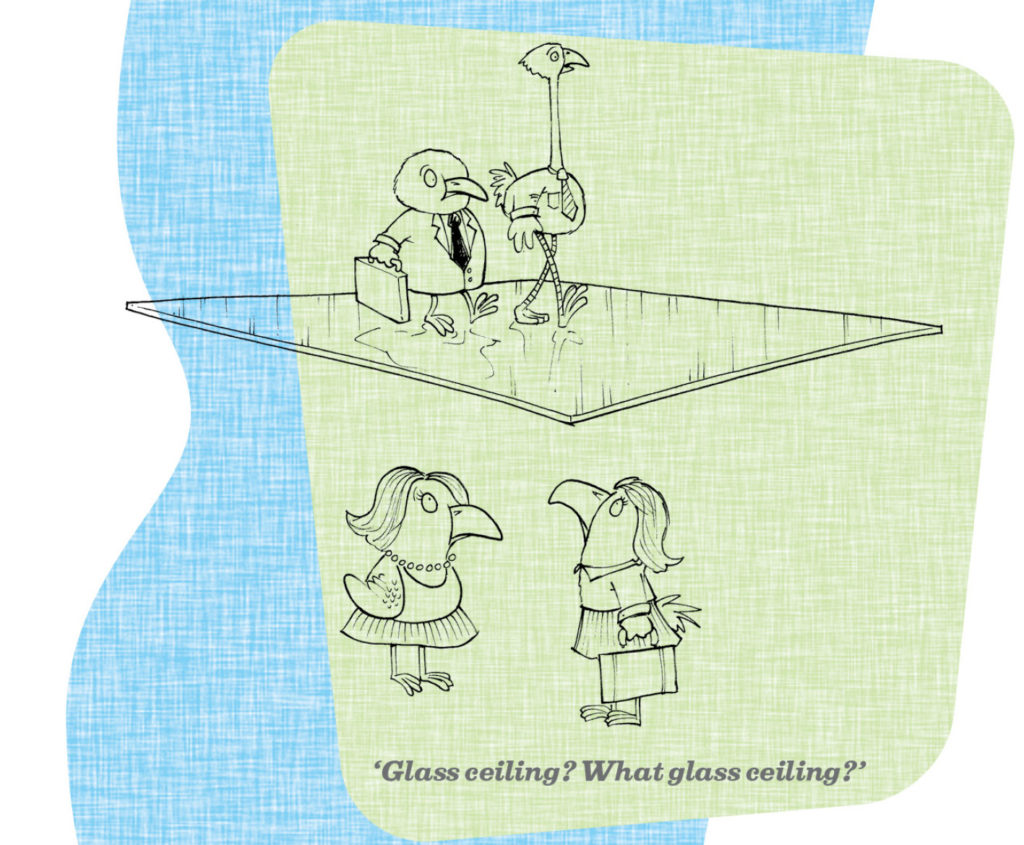
As a result of these biases, women are still significantly under-paid and under-represented in leadership roles across nearly all sectors.

Why is gender equity important for everyone?

There are many benefits to achieving gender equity. As the theme of this year’s International Women’s Day (IWD) states, ‘An equal world is an enabled world’.

According to Facebook, some of the benefits of a gender-diverse workplace include:

  • A wider talent pool—Companies that don’t encourage women to join them are missing out on the talents and abilities of half the population. Tapping into these can make a huge difference to your productivity and your bottom line.
  • Different perspectives—having both women and men in your teams means you benefit from the different points of view and approaches that come from different life experiences. A multiplicity of perspectives can spark creativity and innovation, and help organizations spot and seize new opportunities.
  • Enhanced collaboration—having women on teams can help improve team processes and boost group collaboration. Researchers have observed that women have stronger skills reading non-verbal cues. This will benefit groups when they’re collaborating on projects face-to-face.
  • Improved staff retention—having an inclusive culture in your workplace boosts morale and opportunity. Inclusive workplaces tend to have lower employee churn rates – which represents big savings in terms of time and money spent on recruitment.
  • A better reflection of your customers—customers come from all walks of life. The more the make-up of your organization reflects your customers the more likely it is you’ll communicate effectively with them.
  • Improved recruitment and reputation—having an inclusive workplace is a powerful recruiting tool. Female millennials look for employers with a strong record on diversity, according to research by PwC, with 85% saying it’s important to them.
  • Greater profitability.

The United Nations agrees, stating that having a more diverse and empowered workforce has many social and economic benefits.

‘Women and girls represent half of the world’s population and, therefore, also half of its potential. Gender equality, besides being a fundamental human right, is essential to achieve peaceful societies, with full human potential and sustainable development. Moreover, it has been shown that empowering women spurs productivity and economic growth.’

So creating a fair, inclusive workplace is not only good for women, it’s good for everyone.

So what can we do?

As they say on the International Women’s Day site, gender equity is everyone’s responsibility and there are lots of things all of us can do.

‘Individually, we’re all responsible for our own thoughts and actions – all day, every day. We can actively choose to challenge stereotypes, fight bias, broaden perceptions, improve situations and celebrate women’s achievements. Collectively, each one of us can help create a gender equal world.’

LeanIn have a great free online resource and video to support conversations about different types of bias, which you can find here. They also have a range of suggestions and activities for increasing gender equity in your workplace.

*‘The gender pay gap (GPG) is the difference between women’s and men’s average weekly full-time equivalent earnings, expressed as a percentage of men’s earnings. It is a measure of women’s overall position in the paid workforce and does not compare like roles. (From the Australian Government’s Workplace Gender Equality Agency)

Gender Fairness cards     $49.50 inc. GST       Product Code: 4928         

Dr Sue King-Smith

St Luke’s Innovative Resources

We are delighted to let you know that, at last, there is a resource to have conversations about eating disorders—Eating Disorders & Other Shadowy Companions has just hit the shelves!

The lead author, Danni McDougall, is a social worker and arts therapist:

‘I’ve been saddened to discover that despite all the community education and awareness-raising that has occurred, there is still a lot of stigma and misunderstanding surrounding eating disorders, even among the medical profession.


‘I believe Eating Disorders & Other Shadowy Companions is a resource that can help educate family, friends, health professionals and the general community about eating disorders.’

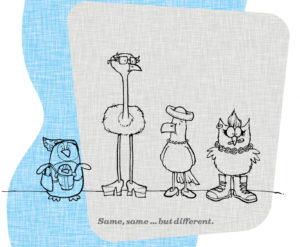
Guided by three quirky characters—Reggie the Recovery Rhino, Ed the Eating Disorder Monster, and Bird—this set of 40 cards encourages young people and adults to bridge the shame and isolation of living with an eating disorder by sharing their experience with the people around them.

During the development of the cards, we asked several professionals in a range of fields—psychologists, dieticians, social workers, arts therapists, teachers, academics—to trial the cards.

After using the cards, arts therapist, Pam, said:

‘I love the characters. Seeing Ed represented this way helps me understand the pull towards him and why he is hard to let go of—he provides comfort. The images are powerful and their simplicity means there is space for conversation. They have helped me understand what it is like to experience an eating disorder on a different level.’

Each card features a gentle question, inviting people to reflect on what it feels like to live with an eating disorder. While this card set deeply honours the naming and acknowledging of pain, it also encourages people to cultivate the territory of hope by reflecting on, and talking about, what recovery may look and feel like for them.

As dietician, Vanessa, says:

‘They are so useful because instead of going straight into the recovery space they stay with where the person is at and they don’t pressure them to do something they’re not ready for. I think they will help people express what they are going through in a different way, rather than just relying on words. They have the potential to help people feel less alone because the cards represent what the illness is like and the connection that is needed by people suffering with these illnesses.’

A social worker added, ‘The cards do such a great job of holding the experience and staying with it. They acknowledge the pressure people with eating disorders experience without being overwhelming. Having this acknowledged within the cards will be valuable for people experiencing eating disorders as their experience is seen.’

While the cards have been designed to be used primarily with people experiencing an eating disorder—any eating disorder—they can also be used to have conversations about body image, ideals of beauty, the impact of the media on our sense of identity, dieting and our relationship to food. They can also be used to talk about other ‘shadowy companions’ like anxiety or depression.

As psychologist, Adrienne says:

‘I like how they are gender neutral and open to be used to people of any age. I think there is so much body obsession and weight focus in society that people who don’t have an eating disorder will also find them helpful. They relate to other mental illnesses such as anxiety, depression, trauma.’

Eating Disorders & Other Shadowy Companions includes a comprehensive booklet of suggested activities and tips for creating safe and inclusive conversations in a range of settings; one-on-one sessions with counsellors, psychologists or other health professionals, with families around the kitchen table, in secondary and tertiary settings, within family and community services, workplaces and groups.

Academic and arts therapist, Nona, says, ‘I used to work in an eating disorder unit and will tell colleagues about the cards as they will be beneficial to use. I’ll also recommend them to others to use in their work.’

Dietician, Vanessa, comments, ‘I think they will be great to use with patients and lecturing at university to help students, especially dieticians, understand eating disorders on a different level to their theoretical understanding.’

Feel free to contact us if you would like to discuss the ideas for using Eating Disorders & Other Shadowy Companions in the booklet (or any other ideas you may have for using the cards).


 Eating Disorders & Other Shadowy Companions
 CAT NO: 4630
RRP: $54.50 inc GST


In this article, we talk to Terri Borschman, a mental health practitioner with expertise in Dialectic Behaviour Therapy (DBT)*, about how she works with people in a Secure Extended Care Unit (SECU) using DBT in conjunction with Innovative Resources’ card sets.

Despite her deep interest in and commitment to DBT, Terri said she found that many of the concepts in the DBT program were too complex for the people she was working alongside in the SECU. She decided to see if there was a way she could adapt the program to better meet their needs. She notes that most of the patients in SECU are managing challenging issues:

‘Here in our Secure Extended Care Unit, we have patients who are chronic and most have been diagnosed with schizophrenia. The issues around the diagnosis are complex and can include substance abuse, traumatic histories, intellectual disability and Autistic Spectrum Disorder (ASD), and forensic histories, all of which can impact on behaviour and make learning difficult.’

Using the book by Julie F. Brown, The Emotional Regulation Skills System for Cognitively Challenged Clients—A DBT-Informed Approach as a guide, Terri redesigned the skills training component of DBT so the content was delivered more slowly. She also reconceived the measures of success so that people participating in the program had more opportunities to feel a sense of achievement along the way.

Terri says one of the biggest challenges for patients was finding ways to express emotion and feelings:

‘Most of our patients don’t have the words to use for feelings. I use charts that include a range of feelings – more than just happy, sad and angry. I have also been using The Bears cards as they have a great range of emotions on their faces – this allows the patient to show me what they are feeling or how thinking about something/someone makes them feel. Without the basic knowledge of what feelings are, we can’t understand what to do with those feelings.’

Another change Terri made was to adapt the tools used in the program so that they were more visual and less text-based. As a result, she said, they can be used by people with different cognitive capacities and literacy levels. She notes that this can also help build rapport and connection:

‘By using pictures and cards, the program caters to cognitive impairment, intellectual disability and those that cannot read or write. It also makes one-on-one time with patients more interactive. The worksheet packs can be put together with the cards to plan for a review, debrief with a patient after an incident or if the patient is having difficulty working through a problem.’

While Terri says she likes to use the cards within a specific DBT program, she also finds them useful in other contexts:

‘The cards from Innovative Resources have been a great asset in my DBT program. The cards help people to be able to name the feelings they have and describe what those feelings are like inside their body. There are so many other packs of cards that are useful but I have The Bears and the Body Signals® cards in my bag every shift. Some patients come and ask me if they can do the cards with me. It opens conversations that can be hard to start as a clinician. I often find out things that I never would have known without using the cards.’

* DBT is a modified version of Cognitive Behavioural Therapy that also incorporates acceptance-oriented skills like mindfulness and distress tolerance and change-oriented skills like emotional regulation and interpersonal effectiveness. It usually runs as a 24 week program. www.sane.org

Useful resources:

The Bears 

Body Signals®

In many workplaces across Australia, many of the conversations in the lunch room are about bushfires and related topics (like the impact of climate change and how we feel about government responses). While Australia manages this most recent manifestation of climate change, these issues are causing ever-increasing concern and stress across the globe.

Many Australian social workers, teachers, counsellors and psychologists will be supporting people who have been affected directly by the catastrophic fires.  All over the world, people working in these professions play a pivotal role in supporting communities when disaster strikes.

But it’s not only those in the helping professions who offer support. Hairdressers, shop assistants, receptionists, wait staff and many others (including the caring stranger sitting next to you on the bus) may find themselves in conversations about loss or trauma.

Even if we don’t live in communities that have been directly affected by climate emergencies, we may still be experiencing the indirect effects. Many people are supporting adults or children experiencing increased levels of stress and anxiety as a result of hearing people’s stories through social media, on TV or radio. We may be feeling this increased stress and anxiety ourselves.

The importance of self-care

Even the most experienced and skilled professionals can feel overwhelmed and heartbroken when hearing people’s stories of devastation and loss. When you work in a role that involves supporting other people—like social work, teaching, healthcare, childcare or counselling—self-care is fundamentally important. If left unchecked, stress and pressure can build up and ultimately contribute to a range of serious mental and physical health issues.

People working in ‘helping’ professions can have a tendency to focus on the needs of others to the detriment of their own wellbeing. While the ability to focus on others can be a great strength, sometimes it means that people don’t take time to ‘refill their own tank’. A depleted worker is one with less flexibility, less resilience, and less capacity to think through challenges. Stress often makes problems feel bigger and more overwhelming, and can undermine a person’s ability to be positive, hopeful and solution-focussed. This impacts on the person’s capacity to provide an effective service to others.

How can we support each other at work?

The term ‘self-care’ implies caring for oneself.  While it is important to have a personal self-care plan and to take responsibility for our own self-care, often it is our colleagues who are the first to recognise the warning signs of stress or burn out. Additionally, colleagues understand the stressors involved in your workplace and can validate your experience. They are often the first to provide opportunities to de-brief or offer consolation and encouragement.

Usually individual self-care plans are only shared with supervisors. One way to help ensure that everyone feels supported is to create a self-care plan for the whole team or workplace. Team self-care plans can enhance our personal self-care plan by enabling members of our team to support us during times of stress.

How do we create a shared self-care plan?
A useful place to start when creating a self-care plan for your team or workplace is to invite people to reflect on the kinds of support they would find valuable during times of stress. This process can involve reflecting on how stress manifests for you. Here are a few questions you might ask:


  • What do I want those in the team to understand about me? (Values, beliefs, culture, health, history, family, spirituality, significant life events)


  • How will others know I am experiencing stress? By looking at my environment? By noticing and experiencing my behaviour?


  • What do I give those around me permission to say to me?


  • What do I give those around me permission to do?


  • How will I share this information with others?

 A few things to consider when developing a self-care plan with your team

Everyone in your team is different. It can be really valuable to acknowledge this right at the start of the planning process. You might notice how:


  • Everyone responds to workplace stress in different ways.


  • Everyone exhibits stress in different ways.


  • Everyone needs different types of support from co-workers.

 What are the benefits of creating a shared self-care plan?

Doing some self-care planning as a team can be a positive way to enhance your team culture. Additionally, when you give permission for another person to assist you, you are being proactive and preventative. By sharing your concerns and challenges, you also ‘normalise’ workplace stress by acknowledging that it is something everyone experiences at times. Improved support systems for teams can also lead to better communication, reduced sick leave, increased engagement and higher levels of job satisfaction.

It really is a win-win.

 If your team is interested in a mini workshop on developing a team self-care plan, contact Innovative Resources.

In this interview, Kelly Harris, one of the team leaders in Home Based Care at Anglicare Victoria (Australia) talks about the ups and downs of recruiting carers. She also describes the many changes to Home Based Care services in the last 15 years.

Increase in demand and support needs

‘I started in foster care in 2005. Since then the team has grown from 6 staff in 2005 to well over 25 staff (in the Home Based Care team) in 2020.’

Kelly has also noticed that the children coming into care have much more complex support needs than in the past.

‘With a significant increase in trauma-related issues in children, it can be difficult to get appropriate programs and assistance for children and families. A larger emphasis is now placed on getting a diagnosis because without a diagnosis, the child and carer are often ineligible for financial and program assistance.

‘Care is also becoming more inter-generational—we are seeing more children of people who have been in care themselves coming into care.’

More carers needed!

The increase in the number of children needing services also means that the demand for carers has grown.

‘Getting carers on board is one of our biggest challenges. Most prospective carers who begin the process will drop out due to life changes, unsuitability or change of heart—maybe 5 out of 100 who initially show interest will become a registered carer.

‘Carer retention is also an ongoing issue. Carers leave for a myriad of reasons—they may start their own family, their personal situation may change or they retire.’

Other changes to services

But that’s not all that has changed.

As a result of the Royal Commission into Institutional Responses to Child Sexual Abuse (2017), several changes have been made to the way services are developed, monitored and delivered. While these changes are positive and necessary, they can create additional challenges for workers and carers.

‘The Royal Commission recommendations have led to a greater need for compliance—workers are required to check in with children more often, connect with foster carers around their experience with the child, and provide more support for carers.

‘As the children coming into care have much more complex needs, carers require a higher level of support from workers. At the same time, there is a greater emphasis on compliance, which means that more of our time is spent on paperwork. This leaves less time for workers to interact with carers and children. It can be hard to balance these demands.’

More awareness of the cultural needs of Aboriginal children

There is also a greater awareness that Aboriginal children coming into care need carers who are culturally competent and who have a deep regard and respect for the child’s cultural heritage. Kelly notes that:

‘Twenty-five to thirty percent of children in care are Aboriginal children—given that only around 3-4% of the Australian population identify as Aboriginal or Torres Strait Islander, this is a huge over-representation.’

While organisations try and place Aboriginal children with Aboriginal carers, this isn’t always possible. In these cases, the non-Aboriginal carer has to demonstrate that they are able to support the cultural needs of the child.

‘Compliance changes have meant that there are more stringent requirements for carers of Aboriginal children—carers must have undergone Aboriginal Cultural Competency training. Best practice within our agency requires that this training be completed before an Aboriginal child is placed with a non-Aboriginal carer.’

 How do you recruit carers?

 Kelly says they start with the needs of the child when trying to find appropriate carers.

‘Instead of fitting children with carers, we look to fit carers with children. We have a broad range of questions for carers to help us create the best fit between carers and the type of care the child needs.’

She notes that it’s important to have carers from a range of different backgrounds.

‘The diversity of carers is greater than ever before. People from all walks of life are now becoming carers—people who are employed full-time or part time, young people, singles and people in same sex relationships.

‘We work with carers to identify their skills, experience, strengths and interests as this helps us to work out the type of care that they can provide—knowing more about a carer can help us build a better connection between the carer and the child.’

While the role of carers has become more complex, Kelly says there is much more support available than there has been in the past.

‘The expectation on carers is higher now but carers are given more support and training around the needs of children. There is more awareness of the trauma that children may have faced, any ongoing issues and the targeted care that they need.

‘Carers are now much more mindful of the child’s background and are well trained. They are provided with continuous training to implement strategies that are helpful to the child. Training is now much more interactive, rather than just book learning—it now involves real scenarios with workers and experienced carers.’

 What is the end goal of Home Based Care?

 Ultimately, Kelly says, the aim of the program is to keep families together, whenever they can.

‘Workers will work with the child and carer and will do whatever is possible to assist the child’s parent/s in accessing the assistance needed to reunify with their child.

‘The work done in Home Based Care is a collaboration between the carer, child, family and other services. The end goal of the program is reunification of the child and parent.’


If you would like to find out more about becoming a foster carer with Anglicare Victoria, visit https://www.anglicarevic.org.au/what-we-do/providing-homes/foster-caring/

If you live outside Victoria, Australia, search for your local foster care provider.