Join the conversation! SOON (Seriously Optimistic Online News) keeps you connected with everything Innovative Resources – subscribe today!

If your situation is urgent, you can contact these services 24-hours a day, 7 days a week

CLOSE (X)

How nature can be a powerful tool for mental health

I have always found peace in nature. Whenever things get stressful or overwhelming, I either jump on my bike, go for a walk in the bush or just sit in the garden. I think a lot of us do. There is something very calming about having the sun on your face as you trudge, peddle, swim or just sit under a tree. (And it is not a coincidence that most mindfulness exercises invite you to imagine yourself in natural spaces or have the sounds of running water in the background.)

Indigenous peoples around the world have always understood that nature has therapeutic benefits (we have a lot we can learn from their wisdom in this space). And now, more and more, we are seeing nature being studied as a tool to support wellbeing, healing and mental health. There is even a field of study dedicated to this, called nature therapy or ecotherapy.

So what is ecotherapy?

Ecotherapy is a growing field of study. Good Therapy describes ecotherapy in the following way:

‘Ecotherapy, also known as nature therapy or green therapy, is the applied practice of the emergent field of ecopsychology, which was developed by Theodore Roszak. Ecotherapy, in many cases, stems from the belief that people are part of the web of life and that our psyches are not isolated or separate from our environment.’

They suggest that ecotherapy can take many forms and can include things like nature meditation, horticulture therapy (growing things), animal-assisted therapy, physical activity in the natural environment and involvement in conservation activities.

In an article for the Sydney Morning Herald, writer Jill Stark suggests that there are many mental health benefits that come from spending time in nature.

‘In Scotland, where I grew up, “nature prescriptions” are being offered by the National Health Service to treat chronic illnesses including depression, anxiety, diabetes and heart disease.

‘GPs in the remote Shetland Islands are prescribing birdwatching, hiking and beach walks for patients with debilitating conditions.

‘It’s a form of outdoor mindfulness – where patients take time to be still and silent and absorb the raw beauty of their natural surroundings – that has been shown to help calm the nervous system, lower blood pressure and boost positive feelings.’

What are the benefits of ecotherapy or nature therapy?

Mind UK suggests that there are many benefits to spending time in nature for mental health. It can:

  • improve your mood
  • reduce feelings of stress or anger
  • help you take time out and feel more relaxed
  • improve your physical health
  • improve your confidence and self-esteem
  • help you be more active
  • help you make new connections
  • provide peer support.

We know that exercise is good for mental health but exercising in a natural environment has been shown to have measurable additional benefits. In Psychology Today, psychiatrist, Emily Dean, sites several studies that show that exercising in nature is significantly more effective than exercising indoors, in terms of reducing anxiety, depression, negative thoughts, rumination and stress.

How can I use the principles of ecotherapy in my work with people?

Ecotherapy can be used as a stand-alone therapeutic approach and it can also be used in conjunction with other programs, supports or therapeutic interventions.

So what are some simple ways you could incorporate nature into the work you do? Here are a few ideas:

  • Instead of meeting in an office, why not meet in a local park, nature reserve or by a river.
  • Support people wanting to reduce stress or anxiety to become involved in a local community garden. Even better, have your meetings in the garden while planting potatoes and picking peas! (As an added bonus, people are likely to meet others and build sustainable social connections. There may also be regular community meals using veggies from the garden, which can be great for social inclusion.)
  • Encourage people wanting to improve their mental health to exercise in nature whenever possible. You could support them to do this by arranging to have walking meetings, which has the added bonus of increasing the therapeutic benefits of your catch-up! This is also a great way to model how easy it is to incorporate nature into everyday activities.
  • Explore the idea of incorporating a therapy animal into your practice or service. If the person you are working with already has a pet, could you incorporate that pet into the work you are doing together?
  • Making a positive contribution to our community and world has been shown to have significant benefits to our health and sense of wellbeing. If the person you are working alongside has an interest in the environment, invite them to think about joining a local conservation or landcare group. Not only will they get the benefits of spending time in nature, they are also likely to have an increased sense of meaning, purpose and social inclusion.

Ecotherapeutic techniques can also be incorporated into a school curriculum to increase the health and wellbeing of students. Many schools now have onsite veggie gardens and quiet natural spaces in their playgrounds. Use these spaces whenever you can or perhaps try some of the following:

  • Teach more classes outside, under a tree or in the school veggie garden (incidental grazing encouraged!).
  • Create memory walks where you anchor stories and facts about the things you are teaching to features in the landscape. If you revisit the walk and stories regularly, you can actually build layers of knowledge over time. You may be surprised by how much the children retain using this technique. (Australian Aboriginal people have used these techniques for learning for tens of thousands of years.)
  • Take children to a quiet outdoor space and do a short mindfulness session, including some deep breathing. This is particularly effective during times they are typically restless or tired, like after lunch. You could either ask them to close their eyes and listen to the natural world around them or invite them to closely observe, with all their senses, elements in nature, like the bark on a tree or the way the ants have built a nest.

An additional benefit to incorporating nature into your practice is that it can also increase your personal sense of wellbeing. Perhaps you can also think about ways your team can spend more time in nature? Could you hold team meetings outside or have walking meetings? Could you have regular ten minute ‘self-care’ mindfulness sessions across the day in a nearby garden or green space?

Do you use nature as part of your practice? We would love to hear your stories. Please share your experiences or ideas in the comments below.

Dr. Sue King-Smith


The Nature of Strengths                                             $49.50 inc. GST          Product Code: 4938

Self-care for home and work                                     $54.50 inc. GST          Product Code: 4936

Talking ecoLogical                                                      $59.95 inc. GST          Product Code: 4940
If you are interested in providing a review* of our latest resource – Eating Disorders & other Shadowy Companions – we’d love to hear from you. Please email info@innovativeresources.org to request a copy.


Living with an eating disorder can be a lonely, isolating experience. Eating Disorders is a special resource, one that opens up the experience and validates it – an essential first step towards well-being and recovery.

This beautiful, highly-visual tool aims to support young people break the isolation by sharing their experience with family, friends, teachers, counsellors, and other health professionals.

  • 40 hand-drawn cards for creating conversations that challenge the silence and shame surrounding eating disorders
  • a comprehensive booklet of suggestions for using the cards with individuals and groups.

Guided by three delightfully-engaging characters—each card features an illustration to help people reflect on and express what it feels like to live with an eating disorder, and a question to gently suggest ways forward.

‘Having an eating disorder is like being stuck in a prison of your own mind that feels impossible to get out of. This experience needs to be heard and validated before the focus can shift to recovery.’
Danni McDougall, author, art therapist and senior mental health practitioner

* Your review may appear on our website and also in our promotional material.

Teaching students skills to manage anxiety and challenge negative thinking helps them become better learners.

The clinically-proven techniques in the Anxiety Solutions cards have been deliberately selected by consulting psychologist and clinical nutritionist, Selina Byrne (author of the cards) for their capacity to retrain the brain and challenge habitual responses to stress.

All of the activities have been designed to be able to be done by anyone, anywhere, without supervision. The aim is to provide students with a range of techniques to manage anxiety in any area of their lives.

Here are several examples of the different cards included in the pack.

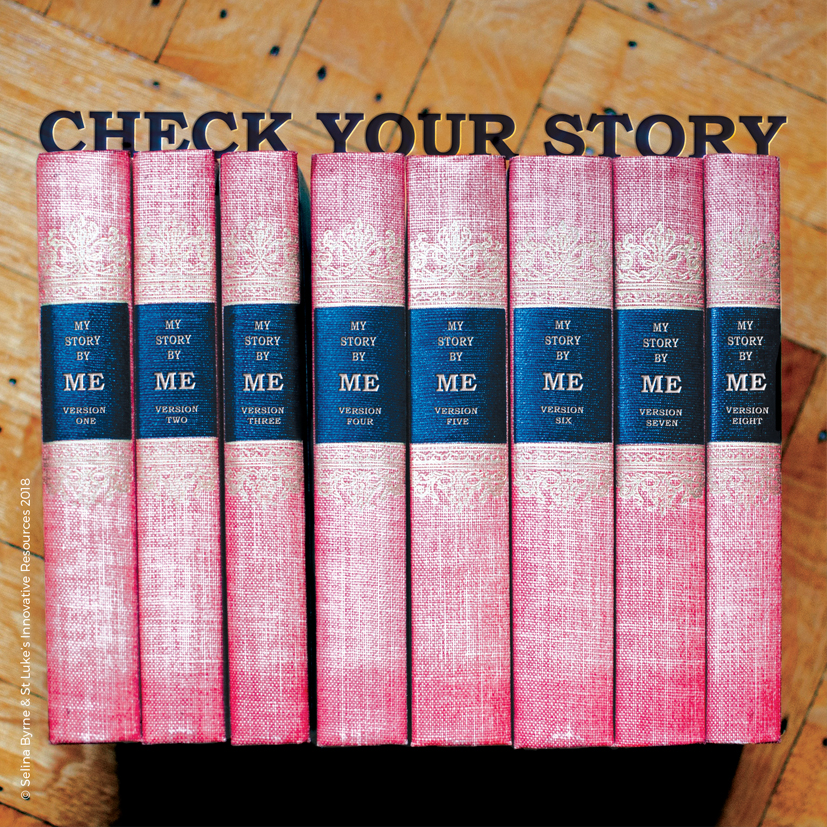
1. Check Your Story

This card draws on cognitive therapy (CBT) and narrative therapy.

It is based on the idea that we need to constantly examine the story we are telling ourselves about everything, but even more so when we are not feeling good.

A key skill of optimism is learning to challenge unhelpful narratives by reframing them. Evidence suggests that writing down our thoughts helps us catch, analyses and reframe them much more effectively than merely doing it in our mind.

2. Power Stance

This strategy is taken from positive psychology. Physiology is one of the key drivers of emotional state.
Movement draws on the interplay of body and mind and is used regularly in sport psychology and peak performance coaching.

By adding the verbal repetition of the word ‘Yes!’ we build a psychological state of confidence and positivity. A great activity when your students need a lift.

3. Tapping Fingers

Switching to the numeracy part of the brain can take us into a rational mode, a place where things are more systematic and predictable.
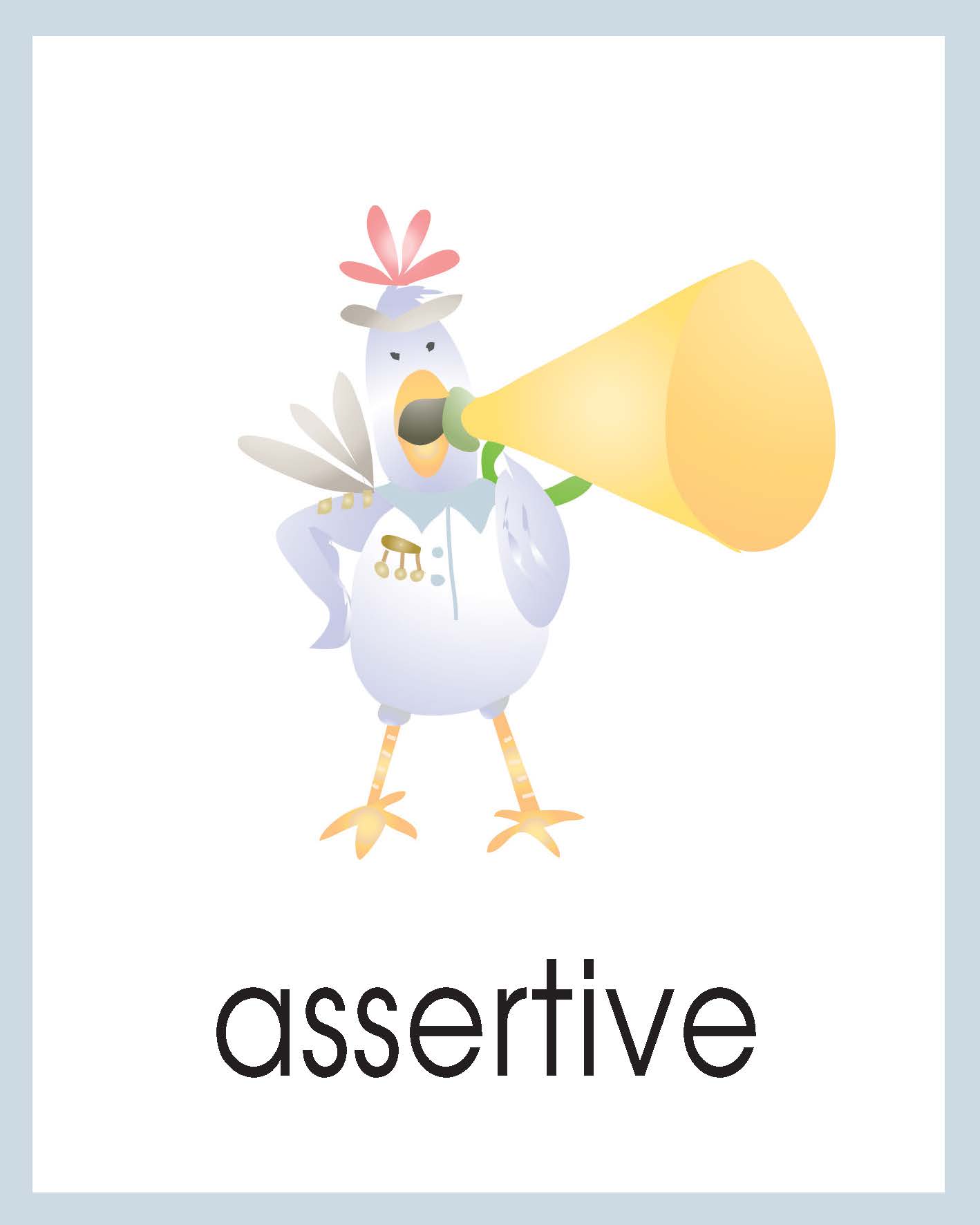
Linking numbers to our fingers makes it even more systematic, a clear and engaging task for body and brain. Taking ourselves out of the emotional arena and using our numeracy mind to control finger movement is something of a challenge and a task like this can fully occupy our consciousness.

Useful for sleep reparation, mindfulness, distraction and anytime you need to stop thinking about something by using a replacement task.

Everyone has anxious thoughts from time to time, which is why it is important to teach all children the skills they need to manage anxiety, find ways to distract and soothe themselves during stressful times and challenge negative self-talk.

Anxiety Solutions for Kids was designed to do just that!

A great time to introduce the cards would be a prior to an activity that may cause students some stress (for example, a test) or after lunch. Doing these activities regularly can be a great way to help children build their emotional regulation ‘toolkit’.

Here are a few ways you can use the Anxiety Solutions for Kids cards in the classroom.

  • Choose an individual card as the classroom theme of the day or week. For example, ‘Thank you Bomb’ could be a card that introduces the theme or practice of gratitude.
  • Use the cards in Circle Time to talk about what helps when dealing with challenging situations.
  • Ask students to do the activities on 5 different cards and rate how calm they feel after each activity. Encourage them to practice their favourite activity whenever they start to feel stressed or worried.
  • Write a story using a card as a prompt.
  • Ask students to create an entirely new card showing a relaxing thing they love to do.

Teachers may also want to build the activities on the cards into school camps, excursions and other times when students may be anxious about being away from their routine. They are also great for lunchtime clubs and quiet times in the classroom.

Despite kids having access to loads of apps and digital games, they still seem to love stickers. Stickers are fun, versatile and tactile. They are also portable so you can take them anywhere, making them easy to whip out to do a quick activity or have a conversation on the fly.

Another great advantage of using stickers is that they are replaceable so you can give them to people as take-home reminders of your conversation. They can stick them on the fridge, on a mirror, on their laptop, in a journal or they can stick them on themselves!

So how can we draw on the enthusiasm and enjoyment children have for sticker-based activities to have conversations about their strengths? Here are a few suggestions for creative and fun ways to use the Strength Cards® and Strengths Cards for Kids stickers in a classroom, group or in one-on-one conversations with children.

  1. Naming strengths

Often, we find it easy to see other people’s strengths and personal qualities but we find it difficult to name our own.

In this fun and fast activity (no time for overthinking here!) ask children to get into pairs, set a timer and give each child 3-5 minutes to choose as many of their personal strengths as possible using the Strength Cards® and Strengths Cards for Kids stickers. Once they have chosen a strength, they say it out loud to their partner (telling someone what your strengths are can be powerful) and then they stick the sticker on themselves.

Want to make it a bit more challenging? Ask children to describe to their partner how they have used a few of their strengths.

If you are working one-on-one with a child, they can simply stick the stickers on themselves and tell you how they have used those strengths.

  1. Combining strengths—create a strengths tree

This is a great activity for building a positive classroom or group culture. Using a large piece of paper with a tree trunk and bare branches drawn on it, ask all the children to choose 2-3 strengths stickers each, representing their personal strengths. Stick them on the tree as leaves. Then invite them to choose 3 strengths they have noticed in their classmates and stick those on the trunk.

Invite the children to notice how many strengths you have together as a group. Talk about how much you can do when you work together and use everyone’s combined strengths. You can also talk with the children about the fact that you can share your strengths with others or borrow strengths from those around you when you need help.

If you are working with individual children, use a smaller template (A3 or A4 work well) and ask them to add their strengths, plus the strengths of all the people they care about, to the tree trunk and branches. This has the added bonus of encouraging them to really think about the strengths and qualities of the people around them, which can help to build hope and a sense of security.

  1. Identifying strengths in others

In pairs (or a small group), children choose 2-3 strengths they see in the other person or people. Each child takes a turn to stick those stickers on the other person and say how they have seen the person use those strengths.

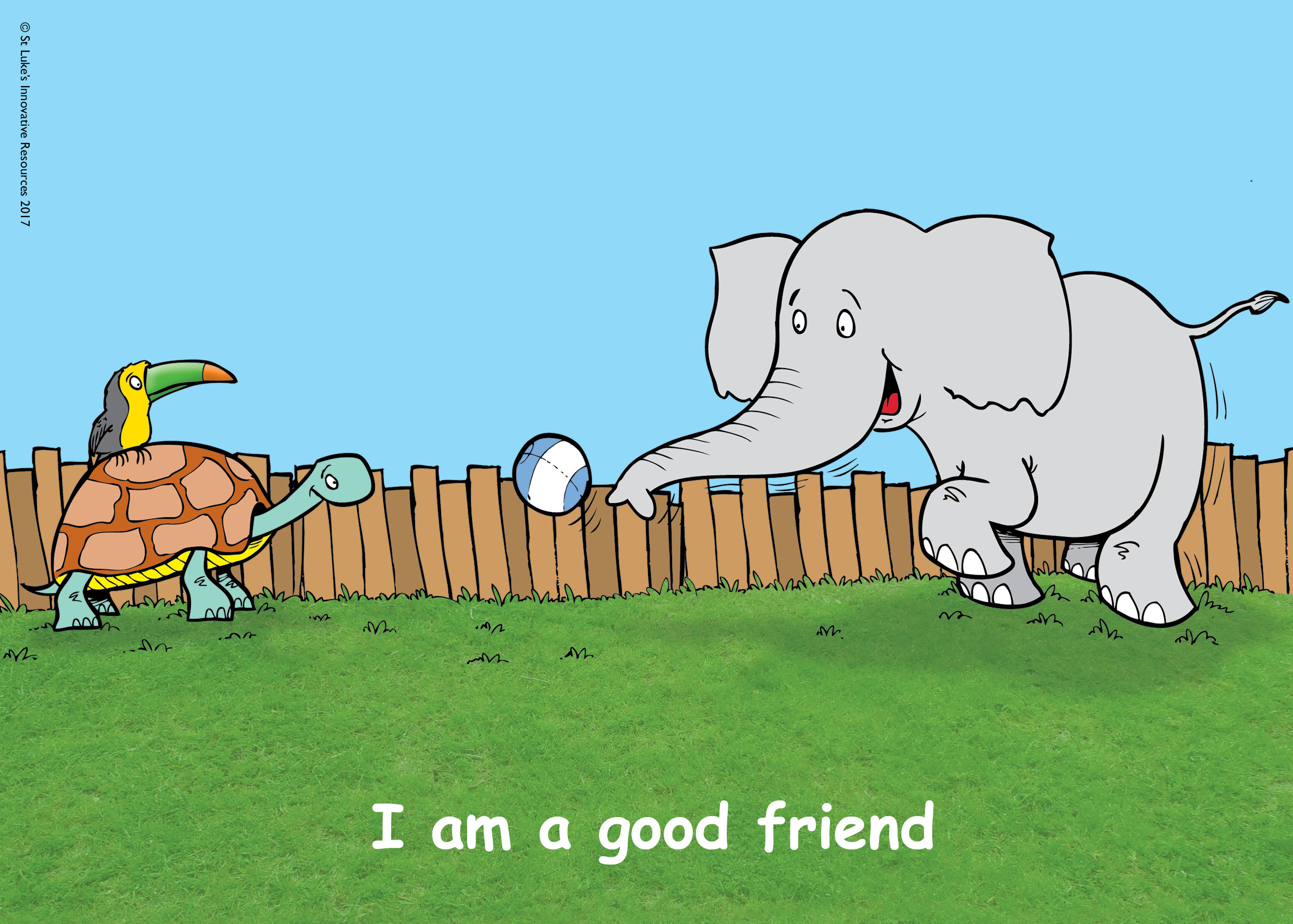
For example, a child may choose the, ‘I am a good friend’ sticker’ to stick on their partner. They then share a story or example of how that person has been a good friend to someone or they may talk about the things that make them a good friend.

This is also a great activity to do with families. You will be amazed at how this simple task can build connection and trust.

  1. Noticing strengths—create a class (or personal) strengths chart

Want to include regular, ongoing reflection on children’s strengths? This is another version of the previous activities which can be done across a term or year.
Write each child’s name on a group or class chart. Ask each child to identify 2-3 of their own strengths from the strengths stickers and get them to stick them next to their name.

Over the course of the term (or week, or year), ask the children to notice the strengths of other children in the class or group and invite them to add stickers to the chart whenever they notice a classmate using a strength. As the teacher or group leader, you can be a role-model by noticing when children use a strength and adding stickers to the chart.

Encourage children to notice a strength from a different person each day so that by the end of the term, they have noticed a strength for each of their classmates.

If you are working one-on-one with a child, at the end of each meeting you and the child might choose a couple of stickers each to add to the child’s personal chart. These might be strengths you’ve noticed the child using during the meeting (or even better, they have noticed themselves) or strengths they have used between your meetings. They could also be strengths they would like to develop.

  1. Choosing strengths

Strengths can be learned. In this activity, invite the children to choose a strength that they wish they had or that they would like to develop. Encourage them to think about how they would feel once they had that strength. How would their life be different? What could they do that they can’t do now?

Get them to choose some stickers that represent strengths they have now that could help them develop their new strength. These could include things like being persistent, hopeful, adventurous, brave or full of energy.

Then ask them to write down the names of some people they know who have the strength they are trying to develop. How did they develop that strength? What can be learned from what they did? What other strengths does that person have?

Encourage children to create a list of things they could do to help them develop or learn this strength. Ask questions like, What’s one thing on the list you could do right now? Is there anyone who could help? Which strength is most useful in this situation?

Have you used the stickers in a classroom, group or in a one-on-one setting? We would love to hear your suggestions and ideas. Feel free to share in the comments below.

Strength Cards for Kids STICKERS  (400 stickers)

Strength Cards® STICKERS (540 stickers)

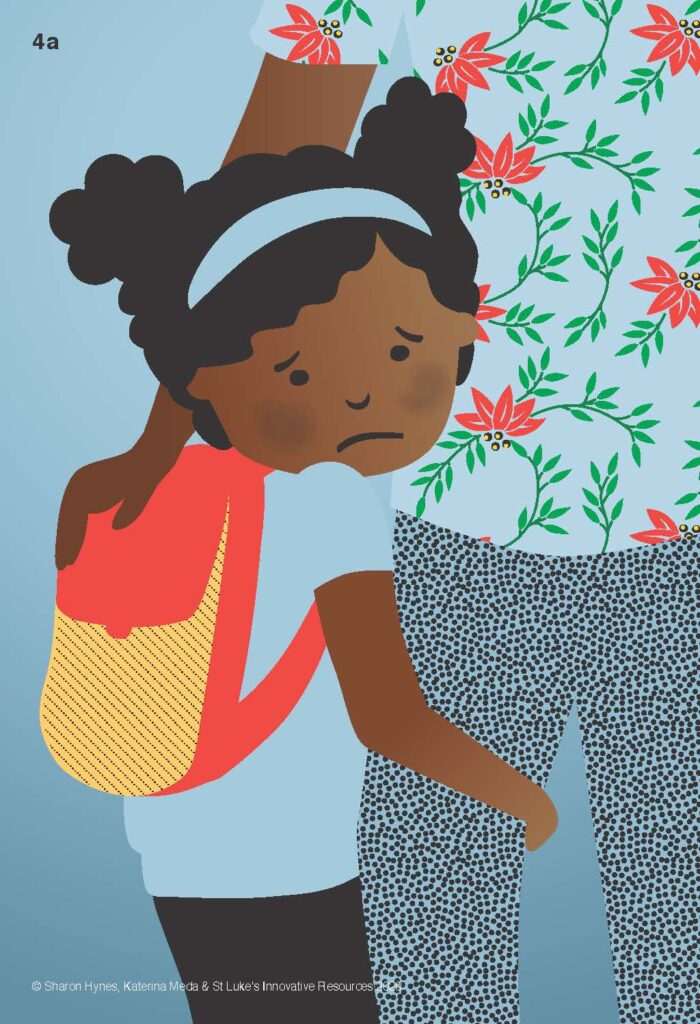
Over the hols, we spent some time with author of the Tell A Trusted Adult cards, Sharon Hynes (pictured on right), talking about the evolution of the cards and how she and Katerina Meda, the illustrator (pictured on left), came to be working together. Sharon also shared some great tips for how to use the cards to have conversations about safety with children. Here’s what she had to say.

When did you first come up with the idea for the TATA cards? What prompted you to want to create a set of cards like these?

In 2017, I was given the position of Child Safety Officer in my primary school. While circle time was already embedded into the Wellbeing program along with visual literacy, there didn’t seem to be any visual stimuli to do with child safety that wouldn’t be too scary or confrontational for both students and teachers. This inspired the idea to create a set of cards that would provoke conversations around child safety in a way that would appeal to both students and teachers.

What happened next?

I realised that I needed a partner with artistic skills to help me make my vision come to life. I was friends with Kat (Katerina Meda, the illustrator of the cards) who is a designer (and teacher’s aide) so I asked Kat to help with this important project. Both of us felt compelled to make the world a safer place for children and have a strong desire to build wellbeing in our community. I think working together helped build our confidence as we had more belief in each other than self-belief at the time! The project came to life quite effortlessly as things fell into place.

How did you come up with the initial ideas and designs?

The first designs came after many lengthy discussions and were drawn from our own experience as teachers and parents, along with my knowledge of child safety classes where children freely talk about their body signals and times when they felt safe/unsafe. Some designs were inspired by the body language shown by students when they experienced school refusal, playground issues and learning frustrations.

When did you decide to approach Innovative Resources?

We were fortunate that Innovative Resources offered to assist us with the initial planning/ideas phase even though they could not promise us publishing at that stage. We both enjoyed working with a team of experts who understood the importance of the project. It was a beautiful feeling of community with like-minded people sharing the same vision.

Why are there no words on the cards?

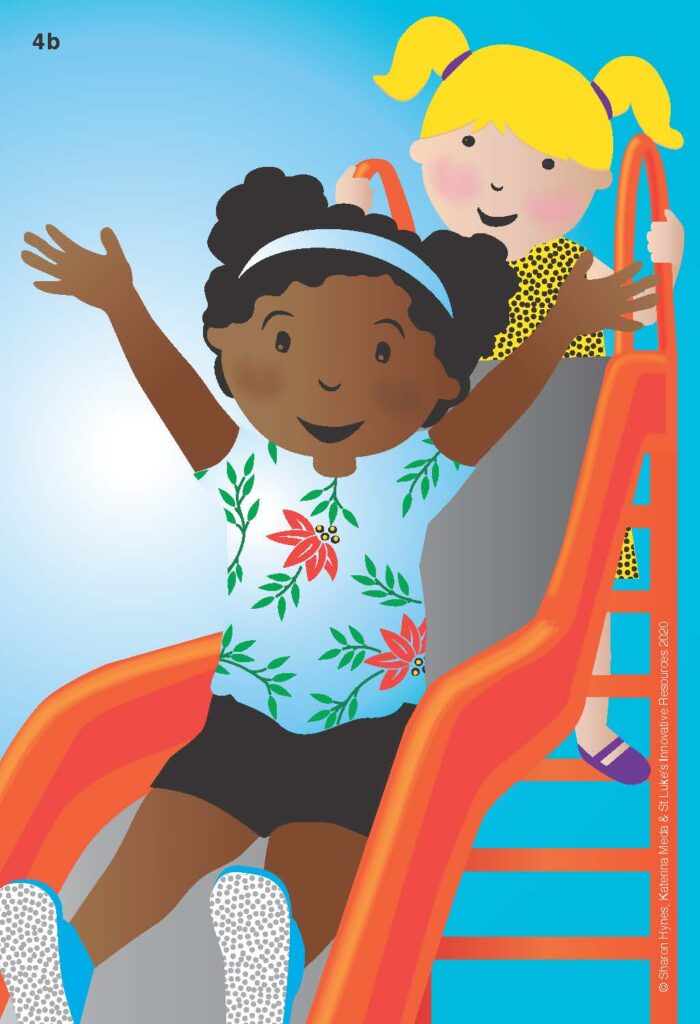
…to allow for the children to create their own stories, thoughts and conversations that stem purely from the visual image. Every encounter with the cards is then a personal journey without any right or wrong interpretations.

Why do you think it’s important for teachers to talk about child safety? How can the cards help have these conversations?

Tell A Trusted Adult is an important resource to support children to recognise when they feel unsafe and to develop a plan of action. Telling someone you trust, who can help you when you are overwhelmed or are having difficulty thinking clearly, is a life skill that builds a safer community. Tell A Trusted Adult can be used to help children identify the adults that they can turn to in times of need. The cards can also be used to support children to build the social and emotional literacy and confidence to seek help when they need it.

What are the different ways the cards can be used by teachers?

The cards can be woven throughout the curriculum. The teacher activity cards (Tell A Trusted Adult includes 13 paired cards and 9 activity cards) can be picked up for quick lessons that only require the cards themselves, a safe and nurturing classroom and a teacher who can take the time to read and understand the booklet and/or follow the lesson plans.

Where have you use the cards so far?

The cards have been trialled in whole school assemblies, whole class settings, small groups and individual discussions. They complement existing social and emotional programs.


The children connect with the characters and readily share their own experiences such as feeling safe when hugging a pet, shaky when speaking in front of the class and being blamed when things do not work out on the playground. Often when students are unsettled about something that has happened at school, they enjoy talking about the fictional characters who may also be feeling a similar emotional experience.

The ‘Question Time’ activity card helps to guide the children to articulate their feelings and thoughts while also developing problem solving skills and strategies that they can fall back on in times of need.

The cards build a sense of encounter as the students can listen to each other and feel a connection with common experiences.

I recently used the cards with a student who was clearly in the ‘red zone’ and unable to voice his concerns. He had a strong attraction to the card with the puppy and immediately moved into a lower level of frustration.

I’ve also used the cards during remote learning to stimulate conversations around emotional regulation and strategies children can use to resettle.

What advice would you would give teachers who were wanting to introduce the cards into their classroom?

Read through the booklet and lesson plans, enjoy the beauty and rich discussions as the cards work their magic making space for this important experience in your classroom.

I believe that having meaningful conversations with children about their bodies, feelings, relationships and personal safety could make an incredible difference to the wellbeing of our future generations.

Sharon and Kat are available to run training on how to use the cards. For more information, you can email Sharon and Kat directly or contact us at Innovative Resources.

The kit includes the Tell A Trusted Adult cards (35 cards plus a comprehensive booklet full of ideas and activities), 10 lesson plans and 6 posters, everything you need to run a 10 week program on child safety.

The lesson plans cover a range of activities that can be used in a variety of settings, and include adaptations for ages 3+, 7+ and 10+. The posters are great for schools, early learning centres, community spaces, human service foyers, medical practice waiting rooms and any other places where children visit.


Tell A Trusted Adult kit        

$99.00 inc. GST    Product Code: 4981

Tell A Trusted Adult cards only

$89.95 inc. GST    Product Code: 4980


Young people’s lives are in a constant state of flux. They are dealing with growth spurts, the unnerving appearance of body hair in odd places, the making and breaking of relationships, changing schools, hormones, brain restructuring (yep, there are a lot of upgrades happening in there and it can get a bit ‘buggy’ at times), navigating gender identity and sexuality, learning to drive, getting a job, moving out of home, managing money. And that’s without all the other life stuff, like mental health issues, family breakdowns, moving houses, births, deaths, etc. It can be a crazy and chaotic few years.

So what can the people supporting young people do to help them navigate this wild ride?

First things first

Some young people don’t need our help—they are happy to manage things on their own. Other young people will reach out and let you know that they are struggling or need a hand. Some just get really loud. Or really quiet. Or wear a lot of black.

Some young people may say they are feeling one thing, but inside, they are feeling something quite different.

Just as every young person is different, how we respond to young people has to be tailored to the relationship we have with them.

Having said that, here are a few ideas, taken from the strengths approach, about how you can support the young people in your life.

Listen

Okay, so this one sounds obvious, right? But it’s actually not as easy as it seems.

As teachers, professionals or parents, we can sometimes feel that it is our job to guide and shape young people. We may feel the need to give advice or information. While this is important and valuable at times, one of the most effective things we can do to build rapport and trust with young people is listen. While we would probably all say we do this, it can actually be quite difficult to do it well.

Active listening is listening carefully and with focus. It means not interrupting or offering suggestions, just being present.

When we listen, rather than immediately making suggestions or jumping in to offer help, young people are more likely to feel heard. If we then follow up by paraphrasing what we have heard to check we’ve understood what the young person has said, we are confirming that we have got the right end of the stick. This is a really important step as it is easy to think a young person means one thing when they actually mean something slightly, or completely, different!

Acknowledging how the young person is feeling can also be affirming. We might say things like, ‘That must have been really hard’ or ‘I can see you’re feeling pretty sad/angry/frustrated’.

This simple strategy demonstrates to the young person that we value them and care about what they have to say.

Ask curious questions

An important aspect of the strengths approach is asking questions. But not all questions were created equal!

Many of the questions we commonly ask young people have assumptions or answers built in. They may be leading or framed in such a way that the young person feels they can only respond in a particular way.

The most useful questions are open-ended, curious questions. These are questions where we don’t assume that we have the answers—we are genuinely interested in the answer and we are not automatically interpreting what is being said through our pre-conceived ideas about what the answer could or should be.

Let’s be honest, we all know when people are really interested in what we have to say and when they are just asking questions to tick a box in their head (or a real box) or they have already filled in the blank before we have even opened our mouth!

Young people know when we are genuinely interested in what they have to say. They are much more likely to trust us if we ask questions from a place of curiosity.

Notice strengths

When a young person is having a tough time, like all of us, they often find it hard to notice the good stuff—the things they do well, their personal qualities, the resources they have around them, the people who care about them.

If it feels appropriate, it can sometimes be helpful to notice these strengths and share this with the young person. Or we might focus on what the young person did to help themselves manage the situation. We might say something like, ‘It sounds like you’ve had a tough day, but you got through it. You must be a pretty strong person to go through that and still have a sense of humour. And it sounds like you have some really great friends. What else did you do that helped?’

It can also be worth talking about how certain traits the young person sees as weaknesses could also be seen as strengths—being shy, for example, could also mean that the young person is a good listener and is empathetic, being anxious could be reframed as meaning that the young person cares and thinks deeply about things.

Stay calm, clear and consistent

While some young people can behave in unpredictable ways at times (can’t we all), it is important that we create a safe, respectful, calm and consistent environment around them. Let them throw their storms against the walls, while we stay steady.

Is this easy? Not always!

If you can, take a step back and remind yourself that young people’s brains are going through enormous change and they are not always able to easily control their emotions. By detaching ourselves from the intensity of the situation, we gain perspective and distance, which can make it easier to stay calm and not say or do things we might regret later, or that might escalate the situation.

Always ask yourself, how can I be the safe place in the storm? By being the calm and steady person in the situation, we are both modelling respectful behaviour and letting the young person know we will be a stable and reliable person in their lives.

Find time for the meaningful stuff

If you are a parent or friend of a young person, think about what you do together that you both find meaningful and fun? Do you like watching movies, making stuff, bike riding, cooking, fishing, playing computer games?

Do you have the same sense of humour? Having a good belly laugh can be incredibly healing. And it can be a great way to soften the edges of challenging situations, while building connection and trust.

If you are a teacher or professional, can you incorporate activities that you know the young person enjoys into your classes or conversations?

By including activities the young person enjoys into your interactions, you are acknowledging that you recognise what is important to them and you show them that you value them as a person.

Your turn

These are just a few suggestions. We would love to hear from you. What strengths-based strategies do you have for supporting the young people in your life?

If you want to know more about taking a strengths approach to working with people, including how to ask great questions, check out The Strengths Approach by Wayne McCashen. Our online courses also include a range of practical tips and tools for implementing strengths-based practices into your work and life.

One of the things that can really help build a parent’s confidence is when they proactively make changes that lead to a more harmonious and positive relationship with their child. As we all know, when we feel more confident, we feel more empowered and motivated to make changes.

We asked our trainer, Alison Krusec, who has over thirty years’ experience working with children and families, for some tips for supporting parents to build their confidence, while also creating a more positive relationship with their children.

Here are her top five:

  1. Immerse yourself in their world

Imagine you are a four-year-old child looking up at the adult world. It’s likely to feel quite tall and big and overwhelming. One very simple way to connect with children (as a worker, teacher or parent) is to plonk yourself down on the floor next to them. When talking to children, try and be at their eye level. This reduces the sense of ‘power over’ and of being ‘talked down to’.

And while you’re there, don’t forget to be playful! Follow the child’s lead. Ask lots of curious questions about what they are doing when they are playing, what is the scenario they are imagining, who are the ‘players’. By spending time trying to understand and being open to our child’s imaginative world, we are demonstrating that we value what they value. And by doing this, children are more likely to come to us with worries or concerns when they arise.

  1. Learn to reframe

It’s really easy, when we are feeling tired or overwhelmed, to interpret the behaviour of children in a negative way. Learning to think about these things differently can not only help build parent/child connections, it can also reduce the stress parents may feel, as they are more likely to interpret situations through a positive lens. It can be as simple as looking for the strengths in the behaviour being exhibited by the child.

For example, if a child is throwing a tantrum, we could reframe this as them exerting their will on the world and asking for what they need. In other words, they are strong, can stand up for themselves and are comfortable speaking their mind.

Or, if a toddler is always pulling everything off shelves, perhaps instead of being angry and frustrated at the mess (which admittedly, can be challenging) perhaps we celebrate the fact that they are curious, resourceful, determined and have an explorative mind.

Does that mean we accept or ignore the behaviour? Not necessarily. But it may make it easier to acknowledge the child’s needs and help them find more constructive ways to meet those needs.

It can also help us become more responsive rather than reactive, which is good for the child, and for our own stress levels!

  1. Hold space for the big emotions

For children, big emotions are inevitable and they can feel scary, especially if the child doesn’t know how to manage them. For a parent watching a child in the throes of ‘big emotions’ (a wild tantrum in the supermarket or tears at the school gate) it can be difficult to know how to react.

Sometimes it’s as simple as consciously acknowledging that big emotions are going to happen and encouraging parents to just hold the space. Staying calm and unreactive and just being there as a safe space for the child to work through the storm can help parents feel more in control and can also help calm the situation.

This can reduce stress, and sense of dread (if this is a common experience) and give them confidence they are doing no harm. It also sends the reassuring message to the child that they can trust the parent to be there for them through the good and the bad.

  1. Catch them being good

Think about a parent you know. How do they describe their child, when someone asks them how things are going? Do they list all the challenging stuff or do they talk about all the positive things the child is doing?

When people are feeling stressed or overwhelmed, chances are they will focus on what is not working rather than what is. The problem is that when we aren’t travelling so well, we tend to filter out the good stuff and only remember the hard things.

The good news is that we can retrain ourselves to focus on the good stuff! The even better news is that this is not only good for the child, but it can help the parent feel much more hopeful and positive too.

An easy way to encourage parents (or try this yourself) to focus on the good stuff is to keep a journal and note down every time they ‘catch’ their child doing something positive.

Once a parent gets in the swing of doing this, invite them to write down all the positive things they notice themselves doing as well. This can be a great way to help parents build confidence in their parenting abilities. It can also be a really positive document to reflect on later.

5. Let them be brave

Every parent wants to keep their children safe. But making mistakes is how we learn and grow. Failing is how we build resilience. Getting small injuries is how we learn the limits of our bodies (better to sprain your wrist falling off your bike as a child than crash your car taking a corner too fast as a young adult).

Allowing your children to take (calculated) risks and try new things is a powerful thing. It encourages them to get out of their comfort zone in other areas of their life too and teaches them that the anxiety they feel when they do something new is okay.

And let’s be honest, being brave is exhilarating. And empowering. And fun! As is watching your children thrive in the world because they are confident and engaged.

If you are supporting parents, one of the most powerful things you can do is to notice all the great things they are doing, and tell them. Even better, invite them to reflect on the positive things they are doing as parents, and encourage them to think about what they would like more of in their relationship with their child—fun and laughter, time outside, reading books together, cooking together, making things, whatever is meaningful to them—and support them to make those changes. The more they implement changes and the more they notice themselves doing this, the more their confidence will grow. And we know that a more confident, positive parent is likely to translate to a more confident, positive family.

What would your top tips be? What helps you feel more confident as a parent?


If you would like to talk to Alison about delivering training to your organisation, please drop us a line at training@innovativeresources.org or check out our website for upcoming workshops.

Positive Parenting cards

Strengths cards

Self-care cards

Everyday Strengths


If this pandemic has made us appreciate anything, it is the importance of the people around us. Family, friends, workmates, the people in our local café, the mums and dads and grandparents in our parent group, even the people we say hello to when walking the dog. They are all important and form part of our broader network of relationships.

As is the nature of these things, sometimes it’s only when we lose something for a period of time that we truly appreciate its value.

Another lesson we’ve learned this year is that humans are infinitely creative and innovative beings. When challenges hit, we adapt. In the past months, most of us have had to jump through new (and often spinning) hoops, pivot like dancers, learn new skills and find capacities and inner strengths we didn’t even know we had.

This holiday period is likely to be anything but typical and while the new ‘COVID-normal’ looks slightly different for everyone, our connections and relationships with others remain fundamentally important.

So how can we combine our recently-enhanced appreciation for those around us with our newly-minted ‘rona’ skills and insights, to stay connected with the people we care about this holiday season?

Technology (yes, I know—you are over having 2-D relationships!)

As we have all discovered this year, technology can be a great way to connect when you can’t get together in person. While we may be feeling a bit jaded when it comes to connecting through screens, it can still be worth thinking about ways we can make virtual catch-ups fun, meaningful and even a bit silly.

  • In our house, we re-watch Harry Potter every year and there are always a few cheesy Christmas movies in the mix too. While Harry Potter may not be your thing, you can always watch a Christmas movie or your favourite series with the people you love on Skype or ZOOM. Crack open your favourite beverage, fill a bowl with popcorn, lollies or any variety of chocolate covered things (they are all good) and lose yourselves in the story.
  • A few weeks ago I heard about a group of friends who organised a virtual pool cocktail party. Everyone set up a toddler’s swimming pool in their back yard (this was in Victoria, Australia, where we had a period of strict lockdowns…and we are heading into summer), dressed up in holiday costumes and had a virtual party, complete with mermaid dancing and party games. They had a blast.
  • Food is a big part of the festive season for many people and cooking together is often the most enjoyable part of the process. Having everyone gathered around the kitchen, sharing stories and memories while the veggies get chopped, the cookies get cut and mouth-watering aromas waft from the oven, is an age-old way of coming together. Cooking is a highly tactile experience and engages all the senses. Bringing a group of family or friends together to prepare a virtual meal is a wonderful way to connect as the tactile and sensory nature of cooking makes the experience feel more real and shared, even if you are apart.

Low tech and low stress ways to connect

As columnist Angela Mollard says in her beautifully reflective piece on how she is approaching this Christmas, ‘So many of us are going into this festive season a little beaten. Others are deeply broken. We don’t have the usual bandwidth on our emotions or the capacity to absorb the hurts and tensions.’

What we need, she suggests, is to take the pressure off, lower our expectation of ourselves and others, and identify what is really important to us.

One way to do this is to think about the simple and meaningful ways you can connect with the people you care about, including people who may be really struggling this year.

  • Give someone you haven’t spoken to in a while a call.
  • Make a (virtual or real) photo album of shared memories and treasured moments and give it to someone you care about. Reminisce, share stories, laugh, cry.
  • If you can (given your local restrictions), make your own cards or holiday treats and drop them in to neighbours or community members who may be isolated.
  • Gratitude can be a really powerful mood lifter.
  • Think about all the people you are grateful for in your life. Instead of giving them a generic card or gift this year, tell them what you value about them.

It is also worth taking the time to reflect on some of the simple gifts that have come from this year. What have you learned about yourself and the people you care about? What has this experience taught you about what is really important to you? How can you embed some of those insights into your life going forward? Share these insights with the important people in your life.

Living with isolation and separation this year has probably deepened your understanding and empathy for people in your community who experience long-term socially-isolation. If you have the opportunity, reach out to someone this holiday period who may not have friends and family around. What’s one simple thing you could do to help them feel more connected?

Have you got any creative suggestions about how to connect with others this year? We would love to hear about them in the comments below.


Written by Sue King-Smith


Signposts: exploring everyday spirituality             $49.50 inc. GST             Product Code: 3450

I watched a doco not long ago about how they celebrate Christmas in the Philippines. Christmas officially starts there on September 1st. Christmas carols can be heard in shops, decorations go up and Christmas parties rage on for months, culminating in an all-nighter Christmas Eve. Then Christmas finishes, right? No, actually, Christmas celebrations continue well into January. Now that is a holiday season!

It made me wonder how other countries around the world celebrate Christmas. In my wanderings, I found some very unique and quirky traditions.

In Venezuela, for example, in the week leading up to Christmas many Venezuelans attend mass every day, and in the capital, Caracas, it is customary to do this on roller skates—they even close many of the roads to accommodate the rocking-rolling masses going to mass!

In Catalonia, a big log of poo forms the Christmas table centrepiece. This log is part of a tradition called caga tió or ‘defecating log’ where they create a log character and ‘feed’ it with fruit, nuts and sweet things all through December, until on Christmas day, they beat it mercilessly with rods, all the while singing traditional song that translates to ‘if you don’t crap well, I’ll beat you with a stick’. They do this until the log excretes its sweet innards, along with small gifts for the children. But don’t feel too sorry for this overstuffed guest—they do keep it warm with a cosy blanket.

Spider webs feature in Ukrainian tree decorating rituals. This ritual has its origins in an old story of a poor woman who didn’t have the means to buy Christmas decorations and left her tree outside overnight. When she woke in the morning, it had been beautifully decorated by spider webs and dew. Often you will find a fake spider or two alongside the bells and bows. Who knew that arachnids could be so festive!

If you are invited to Christmas lunch in Portugal, you might notice a few extra settings at the table. That is because they are a particularly hospitable and inclusive people, making sure everyone is welcome, the dead included. Relatives who have passed away are invited to share the feast.

You better hope you haven’t been naughty in Austria or you might get chased by Krampus, a hairy, scary, and nary very forgiving beast, half-goat demon, who snatches up not-nice children in his basket. He is Saint Nik’s side kick, by all accounts. Talk about calling in the yuletide debt collectors!

When I think of Australia Christmases, there aren’t any particularly strange traditions. Except for the fact that Santa wears shorts and thongs (the footwear, not the undies!). We eat salads, berries and ice-cream, chuck snags and prawns on the barbie, play a bit of backyard cricket … all that good stuff.

Ok, I don’t actually know any Aussies who celebrate Christmas that way but I have heard that many do. Which made me think…maybe Krampus isn’t so hairy and the Ukrainian Christmas trees aren’t really spidery. In fact, maybe I have entirely the wrong end of the poo-log-beating stick?

Do you have any strange and lovely Christmas traditions?

In 2020, we were contacted by Penny, a highly respected and experienced child, youth and family worker, about the various ways she is using Innovative Resources’ cards and tactile resources with children in a school setting. She generously agreed to share some of her experiences and tips.

‘I work as a school family support worker at a Victorian primary school. Currently, a lot of students are experiencing anxiety, stress and worry.

‘I’ve been using both Anxiety Solutions for Kids and Body Signals, mostly with the upper-primary aged children. Body Signals has been great to help students identify where they feel things in their body, how it might look to others, and to make the link between body sensations and feelings. I had one student reflect that she felt reassured when she looked at the picture of the meerkat feeling waves of nausea as it represented exactly how she feels before school each day. She particularly liked the illustration of the wave in the tummy.

Anxiety Solutions for Kids has been great too. I often say, “Let’s pop them in piles, a pile for the options you currently use or would like to practise, then maybe an I’ll try pile and a No thanks, that’s not for me pile (with a bupbaaaarm sound).” I love how each student connects with different ideas and we talk about trying some strategies to see how they fit. Could we use it at home? At school? In the car? On the loo? We then write them up, make a little book and take them off to practise.’

Penny explains how she stays flexible and is happy to adjust every session to suit the needs of the child or person she’s talking to.  She often introduces cards, using them in unique and creative ways.

‘Some days I story my whole work day using Innovative Resources’ cards and other tools. An intro meeting with a student and parent using The Bears; Can-Do Dinosaurs with the 8-year-old who struggles to get motivated; a five-column approach for the maths teacher working with a student who worries about getting the answers wrong; a scaling tool for the mum who finds it hard to get through another bloody Zoom meeting- trying to work while wrangling a toddler and a school-refusing preppy; Body signals and Anxiety Solutions for the 12-year-old who isn’t eating or sleeping properly; Strength Cards to celebrate the strengths and capacities of the student and mum who are finishing up the service; and a reflective letter with a few stickers to summarise the amazing work everyone is doing from week to week.’
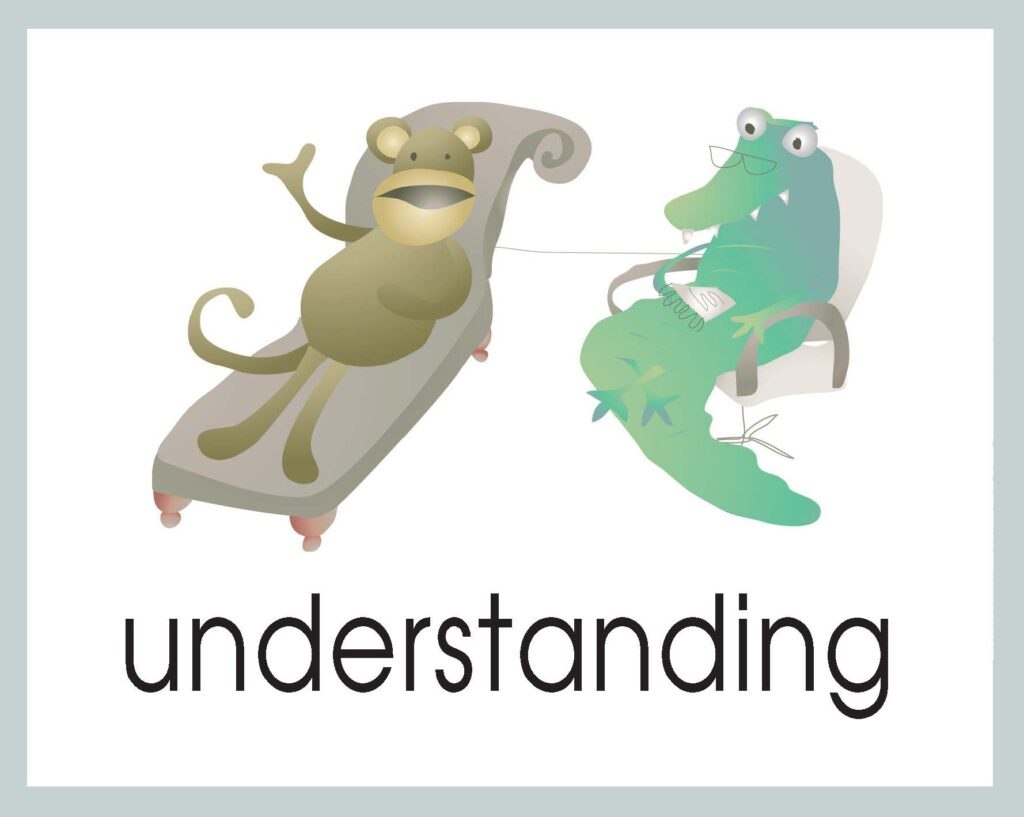
Using the cards with adults

While Penny now works primarily with children in a school setting, she has also worked with the resources in various roles and finds that different cards work better in different settings.

‘When I was working with men’s groups, I found they really liked Cars ’R’ Us , Ups and Downs and Funky Fish Feelings. They didn’t seem to respond to the photo-based cards as much.

‘I also worked with groups of women in their 50s and 60s around grief, loss and change, and found the most profound shift came in around week six when I used the Strengths Cards. Everyone in the group knew each other pretty well by then, so I would ask them to turn to the person next to them and name a strength they had seen in that person over the past six weeks. For some of the women, it was the first time anyone had noticed or named something they were good at or a quality they had. It was really powerful.
‘For people experiencing big emotions around change, life can feel problem-saturated at times. It can be really hard for them to get their head around the idea they have strengths. The cards can be a really great tool for “concretising” what a strengths is.’

How do you use the cards with kids the first time you meet them?

‘I never assume that kids understand what feelings are or that they can name different feelings. Emotional intelligence is a skill you learn and not everyone, kids or adults, has had a chance to learn that skill. So when I meet kids for the first time, I start by asking them to pick out cards for the more obvious emotions—happy, sad, angry—then I get the kids to describe how they know the koala is sad. What does the koala’s face look like? What are their eyebrows doing? What are the clues in their body?

‘When we are talking about goal setting, I usually use a sport analogy. I talk about how in some sports the whole team works together to reach the goal, like netball and footy. As in sport, a goal in life is also something that you want to achieve. They get to decide who is on their team—to work with them, practise their skills and achieve their goals—their family, teacher, whoever else is important to them. They seem to understand the idea of goals better when I talk about it that way.

‘Another great way to use the cards is to get kids to use them to story their day. If you just ask them how they are feeling right now, they will probably be feeling okay if they are sitting with you in your office—they might have gotten out of maths or sport, and they are feeling pretty good! What you really want to find out is how they felt when Mum dropped them off at the school gate, or what was going on when their friends wouldn’t play with them in the playground. In other words, when were they feeling worried, angry or scared.

‘I use the The Bears and ask the kids to pick out different cards that show how they were feeling at different moments in their day or week.

The benefits of using visual and tactile resources with kids

Penny likes to use the cards without words with younger children and generally introduces cards with words on them for kids who are at least eight or nine years old. She said that kids this age enjoy reading the words on cards like Can-Do Dinosaurs and Strengths Cards for Kids.

Can-Do Dinosaurs is great to use with kids because they often get stuck on what they can’t do rather than what they can. Even when I ask them directly to name something they can do or things they like, they often still name things they can’t do or don’t like.

‘It can feel like a pretty big shift in thinking for some kids (and adults!) to start focusing on what they can do. Instead of naming something, they might point to a picture they like, or choose a couple of cards. Or they might choose cards that describe things they would like to be able to do. Sometimes it can be hard to put words to what you are feeling, so the cards take the pressure off by allowing them to respond in non-verbal ways.

‘I also like having tactile tools like the Pocket of Stones for the kids to play with as it can help them to have something to do with their hands; it’s something else to focus on and it makes the conversation less intense and more like a game.

‘When kids do finally name some things they can do, or some strengths they have, you can see a change in them. They feel more confident to try other things.’

Pandemics have a shape. At the beginning, everything is unknown and we often feel fearful and overwhelmed by the thought of what might unfold. Then we start to become familiar with the features of the beast, how it works, who is at risk, and we start to learn some strategies for staying out of its way. As time passes, however, and we continue to live under its shadow, we may start to feel the long-term effects of living with anxiety, stress and uncertainty.

It has been a long year, with no end in sight (a new year may or may not bring good news) and many of us are feeling tired. Bone tired.

If we live in a country like Australia that has managed to largely get the virus under control, we may even be feeling a bit guilty that we have escaped the worst of it.

The reality is, nearly everyone has had their life altered by what has happened this year. People have lost jobs, children have had their school year turned on its head—teachers are teaching remotely and parents are home schooling, every business has had to pivot at speed and almost every job has changed significantly. Many of us have been at home so it may have changed the nature of our relationships with family, for better or worse. We have been cut off from friends and other loved ones and we may not have been able to do many of the things that make our lives meaningful and rich.

We may also have lost people to this relentless virus (if this is you, our hearts go out to you).

Even if we live in a place that is in relatively good shape in terms of COVID-19, it is important to acknowledge that it has been a hugely difficult year. Of course, for lots of people, there have also been significant gifts and insights that have come out of this experience.
Taking the time to reflect on how you are travelling is really important. How are your family travelling? Your students or clients?

If you are not travelling so well, or you realise the people in your life are not traveling so well, just know that you are not alone. Nearly everyone’s mental health and wellbeing has been impacted—and there is a lot of support out there.

What can I do to support myself or others around mental health at the moment?

There are many tried and true things we can do to help us stay mentally healthy. These may include protective behaviours like being active, eating well, getting enough sleep, practising mindfulness or meditation, and staying connected to the people we care about. When things get too tough to handle on our own, seeing a counsellor, psychologist or doctor can also help.

After many months of lockdowns and uncertainty, even the most resilient and buoyant of us may be starting to feel a bit flat. If this is you, or you are supporting someone who is struggling right now, there are some great resources out there that can help. Australian organisations like Beyond Blue, The Black Dog Institute, Headspace (for teenagers aged 12-25) and Kids Helpline have loads of information and links. Apps like Smiling Mind can also be great for helping young people be mindful and track how they are feeling day to day. Beyond Blue even have a specific Coronavirus Mental Wellbeing Support Service.

Some other tools to stay connected and create conversations about mental wellbeing

One of the things that has been so difficult about this pandemic is being separated from the people we care about. We thought we would also share a few of the tools published by Innovative Resources that you might want to use to connect with others. These are conversation-building tools for creating meaningful, supportive conversations about mental health and wellbeing.

Nearly all of the card sets are available in hardcopy or digital formats. The digital cards and Apps are great for using remotely. You can write or draw on them, bookmark favourite cards, save and print them.

For adults

When it comes to looking after yourself, your family or your team, Self-Care for Home and Work is a great tool to get the ‘self-care’ conversation started. What helps you to look after yourself? What could you be doing more? What could you be doing less? This set of 50 cards uses the metaphor of birds and includes a single word on the front and two questions on the back of each card.

Next Steps and Anxiety Solutions are incredibly useful for supporting people to describe what is happening to them right now and what might help them to move forward. Next Steps is a set of images of everyday situations—having a cup of tea, making the bed, calling a friend, having a shower—and can be used to help people think about some really simple, practical things they can do to help them get unstuck. Anxiety Solutions includes a range of different strategies, one on each card, for managing anxiety.

The new Growing Well App is a great way for people to track their mental health over time. Arising out of evidence-based research, this set of simple scaling tools is built around five key indicators of mental health: Being Organised, Being Satisfied, Being Healthy, Being Connected and Being Active. As it is an App, it is easy to use and completely portable.

For teenagers

Teenagers may be reluctant to talk about how they are feeling. This is where a highly-visual conversation-starting tool can be really useful.

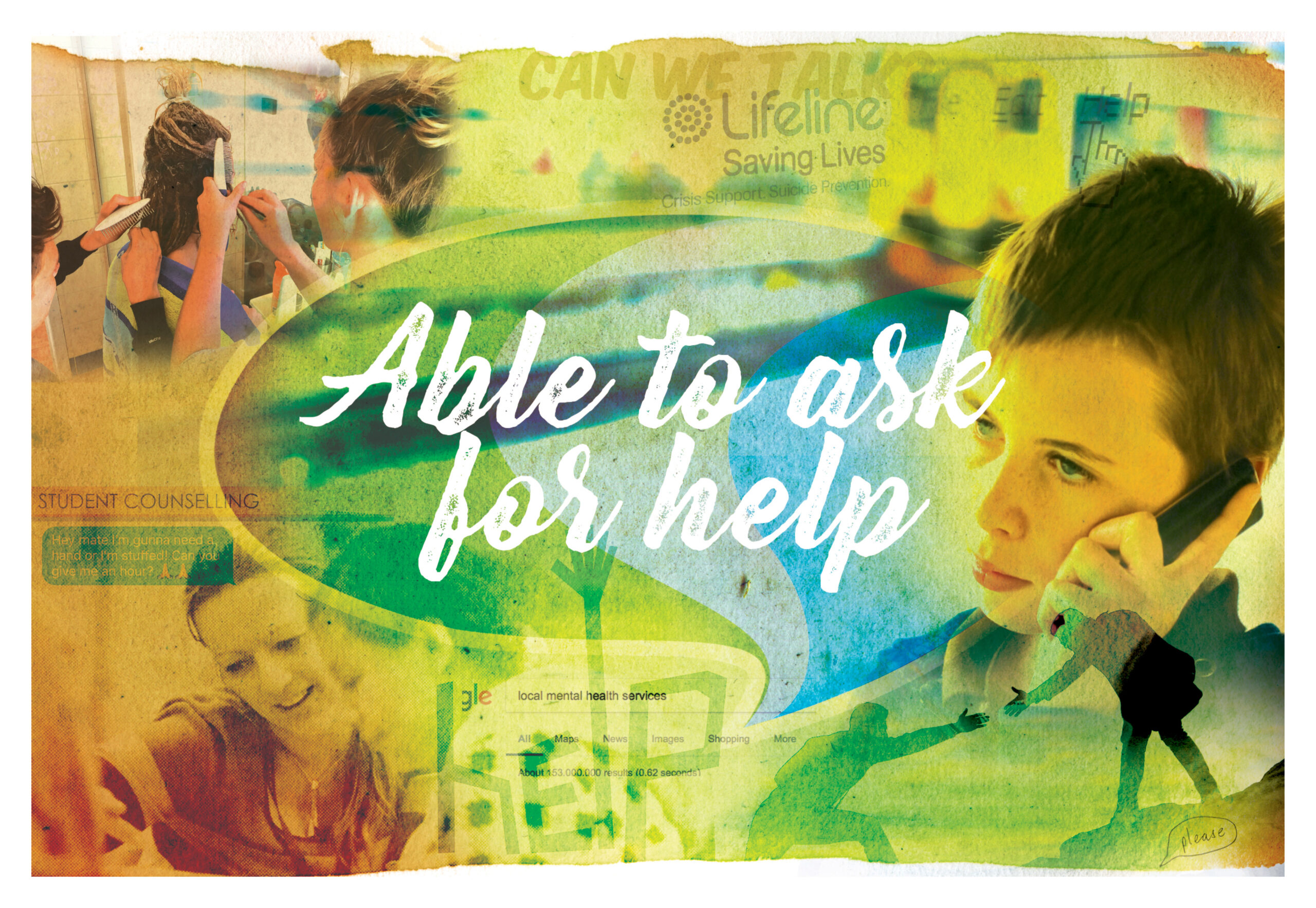
Reflexions includes 34 full-colour cards for talking to young people about feelings and identity. They include five ‘Able to…’ cards which are great for honing in on practical steps to create change.

 PostCards: from me to you (only available in hardcopy) is a set of 20 soulful but edgy postcards with messages on them, like, Are you OK?, Believe, Best Wishes!, Can We Talk?, Can’t Stop Thinking About …, Feeling …, Celebrate! and Deadly. You (or the young person) can write your own message on the back of the card and then post it to them, leave the card in their letter box, slip it under the door or give it to them in person.

Teenagers can be pretty down on themselves at times, which can make it hard for them to notice their strengths and resources. Having the ability to notice your own strengths can help you stay motivated, lift mood, challenge distorted thinking patterns and create a positive future picture. Choosing Strengths is a fun, creative and highly visual tool that encourages young people to think about their own strengths, how they can cultivate new strengths or borrow strengths from others, or choose to focus on their strengths rather than their deficits.

For children

If you are a teacher, parent, carer or grandparent, chances are you’ve been concerned about the impact that this virus, and all the worries and anxieties that come with it, is having on the children in your life. Often children internalise the stress of the adults and broader society in a generalised way so they may find it hard to put a finger on exactly what they are feeling and why. This may then come out in uncharacteristic behaviours, body signals or heightened feelings. These tools are great for helping children navigate their way through this sometimes challenging territory.

Anxiety Solutions for Kids is great set of cards to use with individual children or in a classroom setting. Each card includes a simple strategy children can do to help soothe worry and calm anxiety. You could choose a card each day, try a bunch and let the children pick their favourites (they include a range of different types of strategies including distraction, mindfulness, cognitive behavioural therapy, art, movement) or deliberately choose strategies for specific children.

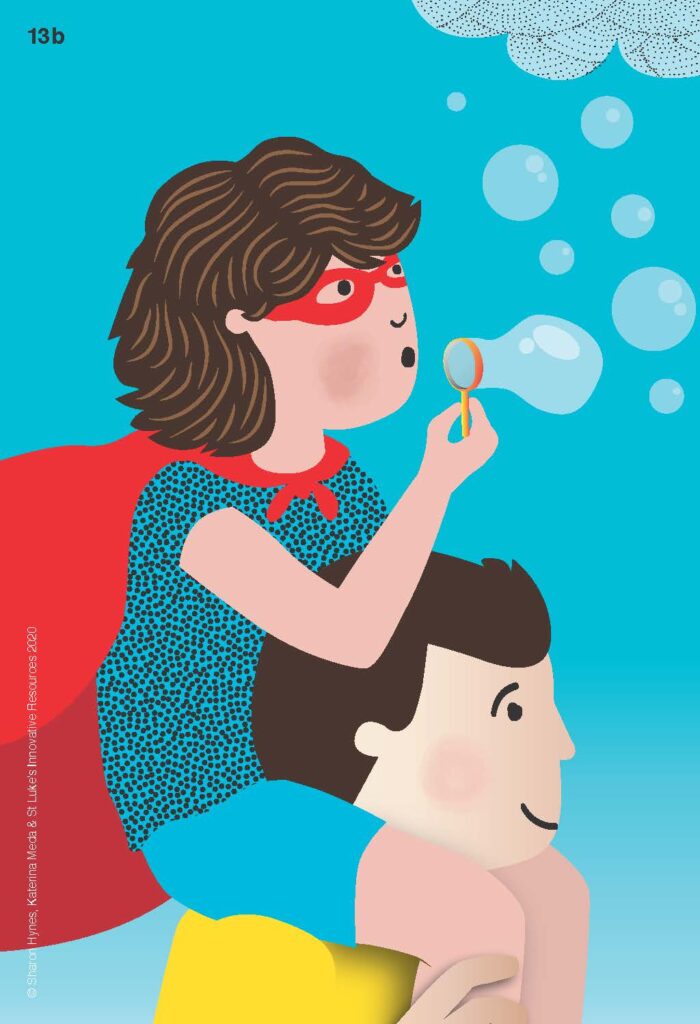
The Bears, Body Signals and Tell A Trusted Adult cards are perfect for having conversations about feelings, emotions and body signals. These cards include a range of colourful characters that children love and are great for storytelling, externalising emotions, normalising children’s feelings and helping children to share what they are experiencing.

Tactile resources like the Koala Company Therapy Ball, Pocket of Stones or the weird and wonderful  Mood Dudes can also be fun ways to encourage children to reflect on how they are feeling while they are playing (they won’t even know they are doing it)!

If you have some helpful tips or strategies for staying positive, we would love you to share them in the comments below.